
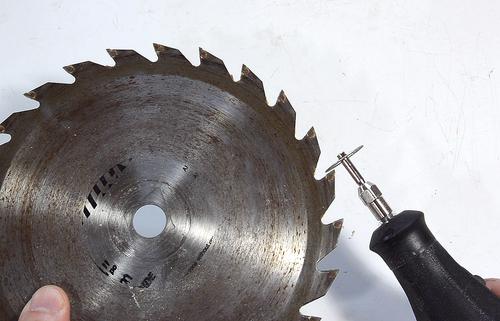
Image Source: woodgears.ca
How To Sharpen Carbide Saw Blades Easily and Safely
Yes, you can sharpen carbide saw blades at home, and with the right approach, it can be a straightforward and safe process. Many woodworkers wonder if carbide blade sharpening service is the only option, but gaining this skill offers significant cost savings and control over your tools. This guide will walk you through the essential steps and considerations for effective carbide saw blade maintenance, enabling you to achieve sharp, precise cuts and extend the life of your valuable blades. We’ll cover everything from understanding the material to choosing the right tools for grinding carbide teeth and the best way to sharpen carbide.
Why Sharpening Carbide Saw Blades Matters
Carbide-tipped saw blades are workhorses in any woodworking shop. Their hardness, derived from the tungsten carbide inserts brazed onto the steel body, allows them to cut through tougher materials and maintain their edge longer than high-speed steel blades. However, even carbide dulls. A dull blade doesn’t just make for ragged cuts; it requires more force from your saw, leading to increased motor strain, potential kickback, and a higher risk of accidents. Regular carbide saw blade maintenance is crucial for safety, efficiency, and the quality of your finished projects.
Recognizing a Dull Carbide Blade
Before you can sharpen, you need to know when your blade needs it. Several signs indicate it’s time for attention:
- Rough Cuts: The edges of your cuts will show splintering, tear-out, or a generally fuzzy appearance, even on clean material.
- Increased Feed Pressure: You’ll notice you have to push the wood through the saw with more force than usual.
- Burning: The wood around the cut line will start to scorch, leaving dark marks. This is a direct result of the blade’s dull edges creating friction.
- Unusual Saw Sounds: Your saw might vibrate more or sound like it’s struggling.
- Visible Wear: While hard to see without magnification, you might notice chips or dulling on the very tip of the carbide teeth.
Methods for Sharpening Carbide Saw Blades
When it comes to resharpening carbide tools, particularly saw blades, there are primary methods: manual sharpening and using powered equipment. Each has its advantages and is suited for different skill levels and desired outcomes.
Manual Sharpening: A Dexterous Approach
Manual sharpening offers a direct connection to the blade and can be very effective for touch-ups and maintaining an already decent edge. It requires patience and a steady hand.
Sharpening Saw Blades at Home: The Diamond Stone Method
One of the most accessible ways of sharpening saw blades at home involves using diamond sharpening stones. These stones are coated with diamond particles, which are harder than carbide and can effectively abrade the material.
-
What You’ll Need:
- Diamond Bench Stones: A set of diamond stones with different grit sizes (e.g., coarse, medium, fine). For carbide, a 200-300 grit for initial shaping and a 600-1000 grit for finishing are good starting points.
- Blade Holder or Vice: Something to securely hold the blade stationary. A bench vice with soft jaws or a specialized saw blade vise is ideal.
- Magnifying Glass: To inspect the carbide teeth for wear and the effectiveness of your sharpening.
- Safety Glasses: Essential for protecting your eyes from metal shards.
- Gloves: To keep your hands clean and provide a better grip.
- Blade Alignment Guide (Optional): A jig can help maintain the correct angle.
-
The Process of Grinding Carbide Teeth Manually:
- Secure the Blade: Mount the saw blade firmly in your vise or holder. Ensure it’s perfectly flat and won’t move during sharpening.
- Identify the Bevel Angle: Examine the carbide teeth. Most saw blades have a specific bevel angle on the cutting edge. This angle is crucial for efficient cutting and chip clearance. You can often find this information on the blade itself or in the manufacturer’s specifications. Common angles range from 10 to 30 degrees.
- Choose the Right Stone and Grit: Start with a coarser grit diamond stone if the teeth are significantly damaged or dull. For routine sharpening, a medium grit is often sufficient.
- Position the Stone: Place the diamond stone against the face of a carbide tooth, aligning it with the existing bevel angle.
- Sharpen with Controlled Strokes:
- Apply light, consistent pressure. Let the diamond do the work.
- Move the stone in a single direction, away from the cutting edge, across the bevel.
- Sharpen each tooth consistently. Aim for a few passes per tooth.
- Crucially, maintain the original bevel angle. Incorrect angles will compromise the blade’s performance and can lead to damage.
- Work Around the Blade: Sharpen one tooth at a time, moving systematically around the blade. Try to give each tooth the same number of strokes.
- Inspect and Refine: Use your magnifying glass to check the progress. You’re looking for a fine, even scratch pattern along the cutting edge, indicating the dull layer has been removed.
- Move to Finer Grits: Once you’ve achieved a sharp edge with the coarser stone, switch to a finer grit stone to hone the edge. This will polish the carbide and further improve the cut quality. Repeat the sharpening process with the finer stone.
- Deburr (if necessary): Sometimes, a small burr might form on the backside of the cutting edge. A very light pass with a fine stone or a dedicated deburring tool can remove this.
-
How to Hone Carbide Blades: Honing is the final step to create a razor-sharp edge. This is achieved with finer grit stones or specialized honing compounds. The goal is to align the microscopic edge and remove any remaining micro-burrs.
Powered Sharpening: Efficiency and Precision
For those who sharpen blades frequently or require a higher degree of accuracy and speed, powered equipment is the way to go. This is where carbide cutter sharpening becomes more specialized.
Carbide Blade Sharpening Equipment
Investing in dedicated carbide blade sharpening equipment can significantly improve the results and reduce the effort.
-
Bench Grinders with Diamond Wheels: This is a popular choice.
-
What You’ll Need:
- Bench Grinder: A sturdy bench grinder.
- Diamond Grinding Wheels: Specifically designed for carbide. These wheels are either impregnated with diamond particles or have diamond-coated surfaces. You’ll need wheels of appropriate grit (similar to diamond stones).
- Angle Setting Jig or Guide: A jig is almost essential for maintaining the correct bevel angle accurately on a spinning wheel.
- Coolant (Optional but Recommended): Water or a dedicated coolant can help prevent overheating and extend wheel life.
- Safety Gear: Safety glasses, face shield, hearing protection, and dust collection are paramount.
-
The Process of Grinding Carbide Teeth with a Grinder:
- Mount the Blade: Secure the saw blade onto the grinder’s arbor or in a vise attached to the grinder.
- Set the Bevel Angle: Position the blade against the diamond wheel using your angle jig. Ensure the jig is set precisely to the tooth’s original bevel angle. This is critical.
- Engage the Grinder: Turn on the grinder. Let it reach full speed.
- Gentle Contact: Bring the carbide tooth into contact with the spinning diamond wheel. Apply light, consistent pressure. Let the wheel do the cutting.
- Short Passes: Make short, sweeping passes across the tooth. Avoid holding the tooth in one spot for too long, as this can cause overheating and damage the carbide.
- Cooling: If using coolant, ensure it’s flowing over the grinding area. If not, dip the blade in water frequently to prevent heat buildup. Overheating can crack the carbide or weaken the brazing that holds it to the steel body.
- Consistent Strokes: Sharpen each tooth with the same number of passes and pressure.
- Progressive Grits: If you have multiple wheels with different grits, start with a coarser grit for shaping and finish with a finer grit for honing.
- Inspect: Periodically stop the grinder and inspect the tooth with a magnifying glass. Look for a consistent scratch pattern and a sharp edge.
- Sharpen Alternating Teeth (for some blade types): Some blades have teeth with alternating bevels (e.g., ATB – Alternate Top Bevel). You’ll need to adjust the jig or blade position to sharpen each type of bevel correctly.
-
-
Specialized Carbide Sharpening Machines: These are dedicated machines designed specifically for sharpening saw blades. They often feature automated indexing mechanisms and precise angle adjustments, making them highly efficient and accurate. While more expensive, they are the professional choice for consistent, high-volume sharpening. For many, a carbide blade sharpening service uses equipment like this.
Important Considerations for Safe and Effective Sharpening
- Safety First: Always wear safety glasses or a face shield, gloves, and appropriate clothing. Ensure good ventilation or use dust collection. Carbide dust, while generally inert, should not be inhaled.
- Maintain the Original Bevel Angle: This is perhaps the most critical aspect. If you alter the bevel angle, you’ll change how the blade cuts, potentially increasing the risk of kickback or producing poor cut quality.
- Avoid Overheating: Carbide is brittle and can crack if subjected to excessive heat. Cool the blade frequently by dipping it in water.
- Consistent Pressure: Even, light pressure is more effective and safer than heavy, erratic pressure.
- Cleanliness: Keep your sharpening surfaces clean. Dirt and debris can interfere with the sharpening process.
- Tooth Count and Type: Be aware of the number of teeth on your blade and the type of teeth (e.g., High Alternate Top Bevel – Hi-ATB, Flat Top – FT, Triple Chip Grind – TCG). Each tooth type has specific bevel angles and grind patterns that must be replicated during sharpening. For example, sharpening a TCG blade requires a specific approach to maintain the chip-breaker profile.
- Kerf Thickness: The blade’s kerf (the width of the cut) is important. Over-sharpening can reduce the kerf, affecting how the blade fits and performs.
- Brazing Integrity: Inspect the braze holding the carbide tips to the steel body. If you see any signs of damage or separation, the blade may be beyond repair or too risky to sharpen.
When to Call a Professional for Carbide Blade Sharpening Service
While sharpening at home is feasible, there are times when opting for a professional saw blade sharpening service is the better choice:
- Severely Damaged Blades: If teeth are chipped, broken, or missing, professional equipment and expertise are often needed to restore them properly.
- Complex Tooth Geometries: Blades with specialized grinds (like those for metal cutting or specific wood types) may require specialized machinery to maintain their intended geometry.
- Lack of Time or Equipment: If you don’t have the time, inclination, or necessary tools for proper sharpening, a professional service is a convenient and reliable option.
- New to Sharpening: If you’re just starting out or hesitant to tackle it yourself, let a professional handle the initial sharpening to ensure the blade is in good condition before you begin your own maintenance.
- High-Volume Shops: Businesses that rely heavily on saw blades will often use professional saw blade sharpening to ensure consistent quality and minimize downtime.
What is the typical cost of a carbide blade sharpening service? The cost can vary depending on the blade diameter, tooth count, and the service provider, but typically ranges from $8 to $20 per blade.
Can I use a regular grinding wheel for carbide? No, you should not use standard aluminum oxide or silicon carbide grinding wheels on carbide. These wheels will wear down too quickly and will not effectively sharpen carbide. You must use diamond wheels or diamond-coated stones.
Maintaining Your Sharpened Blades
Once your carbide blades are sharp, proper handling and storage are key to preserving that edge:
- Clean After Use: Remove sawdust and resin build-up from the blade after each use. A resin solvent or citrus-based cleaner can be effective.
- Proper Storage: Store blades in a blade case or hang them on a rack where they won’t touch other metal objects. This prevents chipping and dulling.
- Use the Right Blade for the Job: Using a blade designed for the material you’re cutting will prolong its sharpness. For example, a general-purpose blade might not perform as well on hardwoods as a specialized hardwood blade.
Conclusion: Empowering Your Woodworking with Sharp Blades
Carbide blade sharpening is a valuable skill for any woodworker. By following these guidelines, you can maintain your carbide saw blades, ensuring cleaner cuts, safer operation, and extending the life of your tools. Whether you choose the meticulous approach of manual sharpening with diamond stones or the efficiency of powered equipment, the rewards of a sharp blade are undeniable. Remember that consistent carbide saw blade maintenance is an investment that pays dividends in the quality of your work and the longevity of your equipment.
Frequently Asked Questions (FAQ)
Q1: How often should I sharpen my carbide saw blades?
The frequency depends on usage and the material being cut. A general guideline is to sharpen after every 5-10 hours of intensive use or when you notice a decline in cut quality (rough cuts, burning).
Q2: What is the difference between grinding and honing carbide blades?
Grinding removes material to restore the cutting edge, especially if it’s dull or damaged. Honing refines the edge by polishing it and removing microscopic burrs, creating a sharper finish. Both steps are important for optimal performance.
Q3: Can I sharpen any carbide saw blade?
Most standard carbide-tipped circular saw blades can be sharpened. However, blades with very fine teeth, specialized grinds for specific materials (like plastics or metals), or those with damaged carbide inserts might be better suited for professional sharpening services.
Q4: Is it better to sharpen myself or use a carbide blade sharpening service?
It depends on your comfort level, available tools, and the condition of the blade. If you have the patience and the right equipment, sharpening at home can save money. For severely damaged blades, complex grinds, or if you lack the time or tools, a professional service is recommended.
Q5: What grit diamond stone is best for sharpening carbide?
For initial sharpening and restoring a dull edge, a 200-300 grit diamond stone is often suitable. For regular maintenance and a finer finish, a 600-1000 grit stone is excellent for honing the carbide teeth.