
How long does it take to drill a well? Typically, drilling a water well takes anywhere from 1 to 5 days for the drilling itself, but the entire process, including permits, drilling, casing, pump installation, and testing, can extend from 2 weeks to 2 months or more. Several factors influence this timeline, which we’ll explore in detail.
Drilling a well is a significant undertaking, and knowing the expected timeline is crucial for planning. While the actual act of drilling might seem quick, numerous preparatory and follow-up steps contribute to the overall duration. This guide will break down each stage, explain the influencing factors, and give you a clear picture of what to expect.
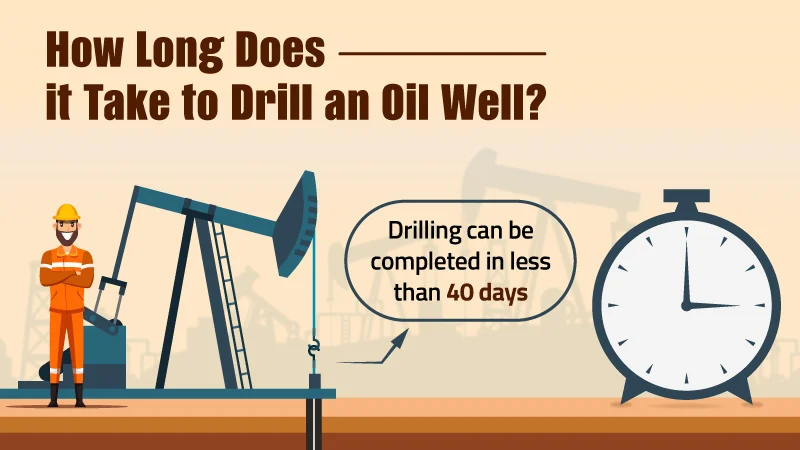
Image Source: res.cloudinary.com
Deciphering the Well Drilling Timeline: A Step-by-Step Breakdown
The journey to accessing your own water supply involves several distinct phases. Each has its own timeframe and potential for delays.
1. The Drilling Permit Process
Before any drilling can commence, you’ll need to secure the necessary permits from your local or state authorities. This is a critical first step.
Navigating Local Regulations
- Application Submission: This involves filling out forms, often detailing the proposed well location, depth, and intended use.
- Review Period: Authorities review your application to ensure compliance with local regulations, water usage policies, and environmental protection standards.
- Approvals and Inspections: Once approved, you may need to schedule inspections at various stages of the drilling process.
The drilling permit process itself can take anywhere from a few days to several weeks, depending on your location and the efficiency of the local governing body. It’s wise to start this process as early as possible.
2. Site Preparation and Mobilization
Once permits are secured, the drilling company will prepare the site and bring their equipment.
Preparing the Ground
- Site Assessment: The drilling team will visit your property to assess the best location for the well, considering access for the rig, proximity to your home, and potential underground obstacles.
- Clearing the Area: The drill site needs to be cleared of any obstructions like trees, bushes, or debris to allow safe access and operation of the drilling rig.
- Rig Setup: The drilling rig, a large and complex piece of equipment, needs to be transported to the site and set up. This involves stabilizing the rig and connecting necessary power and water sources.
This phase typically takes half a day to a full day, depending on site conditions and accessibility.
3. The Drilling Operation: Reaching the Water
This is the core of the well drilling process. The well drilling time can vary dramatically based on several factors.
Factors Affecting Drilling Speed
- Geological Factors for Drilling: The type of rock and soil encountered is the most significant variable.
- Softer Formations: Drilling through sand, gravel, or soft clay is relatively fast.
- Hard Rock: Drilling through granite, sandstone, or other hard rock formations requires specialized drill bits and significantly more time. It can also lead to bit wear and replacements, adding to the overall duration.
- Boulders and Obstructions: Unexpectedly encountering large boulders or fractured rock can slow down the process considerably.
- Average Well Depth: The deeper the well needs to be to reach a reliable water source, the longer the drilling will take. The typical well depth varies by region, but for domestic use, it can range from 100 feet to over 1,000 feet. Your water table depth is a crucial determinant here.
- Drilling Rig Type and Efficiency: Different drilling rigs are suited for different geological conditions. A powerful rig designed for hard rock will drill faster in those conditions than a rig better suited for softer soils. The experience and efficiency of the drill crew also play a role.
- Drilling Method:
- Rotary Drilling: This is common for most wells. A rotating drill bit grinds through the earth.
- Cable Tool Drilling: Older method, slower, but can be effective in certain geological conditions and for creating larger diameter wells.
- Well Diameter: A wider well might require more drilling time.
- Hole Stability: If the borehole is unstable, drilling might need to be paused to install temporary casing to prevent collapse, adding time.
With all these variables, the drilling rig time can range from one to five days for most residential wells.
4. Well Casing and Development
Once the target depth is reached, the well needs to be prepared to receive water.
Securing the Wellbore
- Well Casing Duration: This involves lowering steel or PVC pipes (casing) into the drilled hole. The casing prevents the borehole walls from collapsing and keeps out contaminants.
- Grouting: After the casing is in place, cement grout is typically pumped into the annular space between the casing and the borehole wall. This seals the well and protects the groundwater source from surface contamination.
- Well Development: This process removes drilling fluids, fine sediment, and debris from the well to improve water flow and quality. It can involve surging, bailing, or pumping the well.
The well casing duration and grouting process usually adds another half day to a full day to the project. Well development might take a few hours to a day, depending on the well’s condition.
5. Pump Installation and Testing
With the well structure complete, the final stages involve getting the water to your home.
Connecting the Water Supply
- Pump Installation Time: Installing the submersible pump, drop pipe, electrical wiring, and pressure tank is a critical step. This usually takes half a day to a full day.
- Well Testing: The well is tested to determine its flow rate (gallons per minute) and to assess water quality. This ensures the well is producing adequate water and that it meets safety standards. Water samples are usually sent to a lab for analysis.
Pump installation time is usually completed within a day. The well testing itself might take a few hours, but waiting for water quality test results can take several days to a week.
Total Timeline: Putting It All Together
Considering all the phases, the entire process from permit application to a functional well can take between 2 weeks and 2 months.
- Permitting: 1-4 weeks (or more)
- Site Prep & Mobilization: 0.5 – 1 day
- Drilling: 1-5 days
- Casing, Grouting & Development: 0.5 – 2 days
- Pump Installation: 0.5 – 1 day
- Testing & Hookup: 0.5 – 1 day (plus waiting for lab results)
Table 1: Estimated Timeline for Well Drilling
| Phase | Estimated Duration | Key Factors Influencing Time |
|---|---|---|
| Drilling Permit Process | 1-4 Weeks | Local regulations, application completeness, agency workload |
| Site Preparation & Mobilization | 0.5 – 1 Day | Site accessibility, terrain, equipment logistics |
| Drilling Operation | 1-5 Days | Geological factors, well depth, drilling method, rig efficiency |
| Well Casing & Development | 0.5 – 2 Days | Casing size, grouting method, wellbore stability |
| Pump Installation | 0.5 – 1 Day | Pump type, system complexity, electrical hookup |
| Testing & Hookup | 0.5 – 1 Day (+ lab) | Flow rate requirements, water quality analysis |
| Total Estimated Time | 2 Weeks – 2 Months | Combination of all above factors |
Factors That Can Cause Delays
While the above provides a general overview, several things can extend the well drilling time:
- Weather: Severe weather, such as heavy rain, snow, or high winds, can halt drilling operations for safety reasons.
- Equipment Malfunctions: Like any mechanical process, drilling rigs can experience breakdowns, requiring repairs and causing downtime.
- Unforeseen Geological Conditions: Encountering unexpected hard rock layers, fractured zones, or artesian pressure can slow down drilling significantly.
- Permitting Issues: Delays in the drilling permit process due to incomplete applications, zoning issues, or backlog at the permitting office.
- Contractor Availability: Reputable well drillers are often busy. Scheduling your project can sometimes involve a waiting period.
- Water Quality Concerns: If initial water tests reveal contamination, further treatment or drilling a deeper well might be necessary, adding to the timeline.
- Public Water Main Connections: If you are drilling a well as a supplemental source or to replace a connection to public water, coordinating the transition can add time.
The Impact of Geological Factors for Drilling
The ground beneath your feet is incredibly diverse, and this diversity directly impacts how long it takes to drill a well.
From Soft Soil to Solid Rock
- Sedimentary Layers: Areas with loose sand, gravel, and clay are generally easier and quicker to drill through. The drill bit can penetrate these layers relatively smoothly.
- Metamorphic and Igneous Rocks: Formations like granite, basalt, and hard shale require robust drilling equipment and specialized bits (like diamond-tipped or carbide-tipped bits). The rate of penetration can be drastically slower, sometimes measured in feet per hour rather than feet per hour.
- Fractured Rock: While sometimes easier to drill through than solid rock, fractured zones can pose stability issues. The borehole might need more frequent support to prevent collapse, or drilling might need to be slowed to manage the situation.
- Water-Bearing Zones: Hitting a productive aquifer is the goal, but some formations might have pockets of water that can create drilling challenges, such as blowouts or difficulty in maintaining borehole stability.
Interpreting the geological makeup of your area is a key part of a well driller’s expertise. They can often provide a more accurate estimate based on local knowledge and geological surveys.
Comprehending Well Casing Duration and Purpose
The casing is the protective sleeve for your well. Its installation is straightforward but essential.
Why Casing is Crucial
- Structural Integrity: It prevents the surrounding earth from collapsing into the wellbore.
- Contamination Prevention: It creates a barrier between the groundwater and potential surface contaminants, such as surface runoff, agricultural chemicals, or septic system leakage.
- Facilitating Pump Installation: It provides a stable conduit for lowering and securing the submersible pump.
The well casing duration is typically efficient, as sections of pipe are lowered and joined together. However, the length of casing required is dictated by the average well depth and the geological conditions encountered.
Pump Installation Time: Getting Water to Your Tap
Once the well is drilled and cased, the final step before pump testing is installing the pumping system.
Components of the Pumping System
- Submersible Pump: This is the most common type for residential wells, located down inside the well casing.
- Drop Pipe: Connects the pump to the surface.
- Pitless Adapter or Well Seal: Connects the well casing to the water line running to your house.
- Pressure Tank: Stores water under pressure and prevents the pump from cycling on and off too frequently.
- Electrical Wiring and Controls: Powers the pump.
The pump installation time is usually a single day’s work for an experienced crew. However, complex systems or challenging site conditions might extend this.
The Cost of Drilling a Well
While not directly about time, the cost is closely related to the factors that influence drilling duration. Understanding the drilling a water well cost helps contextualize the investment.
What Influences the Price?
- Depth: Deeper wells cost more due to increased drilling time, materials, and labor.
- Geology: Drilling through hard rock is significantly more expensive than drilling through soft soil.
- Well Diameter: Larger diameter wells require more drilling and materials.
- Casing and Materials: The type and amount of casing, gravel pack, and grout used.
- Pump System: The cost of the pump, pressure tank, and associated hardware.
- Permit Fees: Vary by location.
- Water Quality Testing: Lab fees.
- Contractor Rates: Vary based on experience, reputation, and location.
Drilling a water well cost can range from a few thousand dollars to well over ten thousand dollars, depending heavily on these factors. The longer the drilling time, the higher the labor and equipment operational costs will be.
Frequently Asked Questions (FAQ)
Q1: How long does it take to drill a water well?
A1: The actual drilling of a water well usually takes between 1 to 5 days. However, the entire process, including permits, preparation, drilling, casing, pump installation, and testing, can take anywhere from 2 weeks to 2 months or more.
Q2: What determines how long drilling takes?
A2: Key factors include the geological makeup of the ground, the average well depth needed to reach a reliable water source, the type of drilling rig used, and the complexity of the well design.
Q3: Can drilling be affected by the weather?
A3: Yes, severe weather conditions like heavy rain, snow, or high winds can cause drilling operations to be temporarily halted for safety reasons, leading to delays.
Q4: How long does the permitting process take?
A4: The drilling permit process can vary significantly by location, typically taking anywhere from a few days to several weeks. It depends on local regulations and the efficiency of the permitting agency.
Q5: What is the typical well depth?
A5: The typical well depth varies greatly by region. For domestic use, it can range from 100 feet to over 1,000 feet, depending on the local water table depth and aquifer characteristics.
Q6: Is drilling a well expensive?
A6: Yes, drilling a water well is a significant investment. The drilling a water well cost depends heavily on depth, geology, materials, and pump system. Expect costs to range from several thousand to over ten thousand dollars.
Q7: What is well casing duration?
A7: Well casing duration refers to the time it takes to install the protective pipes (casing) into the drilled borehole, which typically takes about half a day to a full day.
Q8: How long does pump installation take?
A8: Pump installation time is usually completed within half a day to a full day, involving the placement of the pump, pipes, and electrical connections.
Q9: What are geological factors for drilling?
A9: Geological factors for drilling include the types of rock and soil encountered (e.g., sand, clay, granite), the presence of boulders, and the stability of the borehole, all of which influence drilling speed and difficulty.
Q10: How does water table depth affect the process?
A10: The water table depth dictates how deep the well needs to be drilled to access a reliable water supply, directly influencing the overall drilling time and cost.
In conclusion, while the act of drilling a well can be completed relatively quickly, the entire process is multifaceted. By understanding each stage and the variables that influence them, you can better plan for the arrival of your own sustainable water source.