
Can you drill into stucco? Yes, you absolutely can drill into stucco, but doing so safely and effectively requires the right tools and techniques. Stucco, a cement-based plaster, can be brittle and prone to cracking if not handled with care. This guide will walk you through the entire process of drilling into stucco, from selecting the best drill bits to securing your items with confidence.
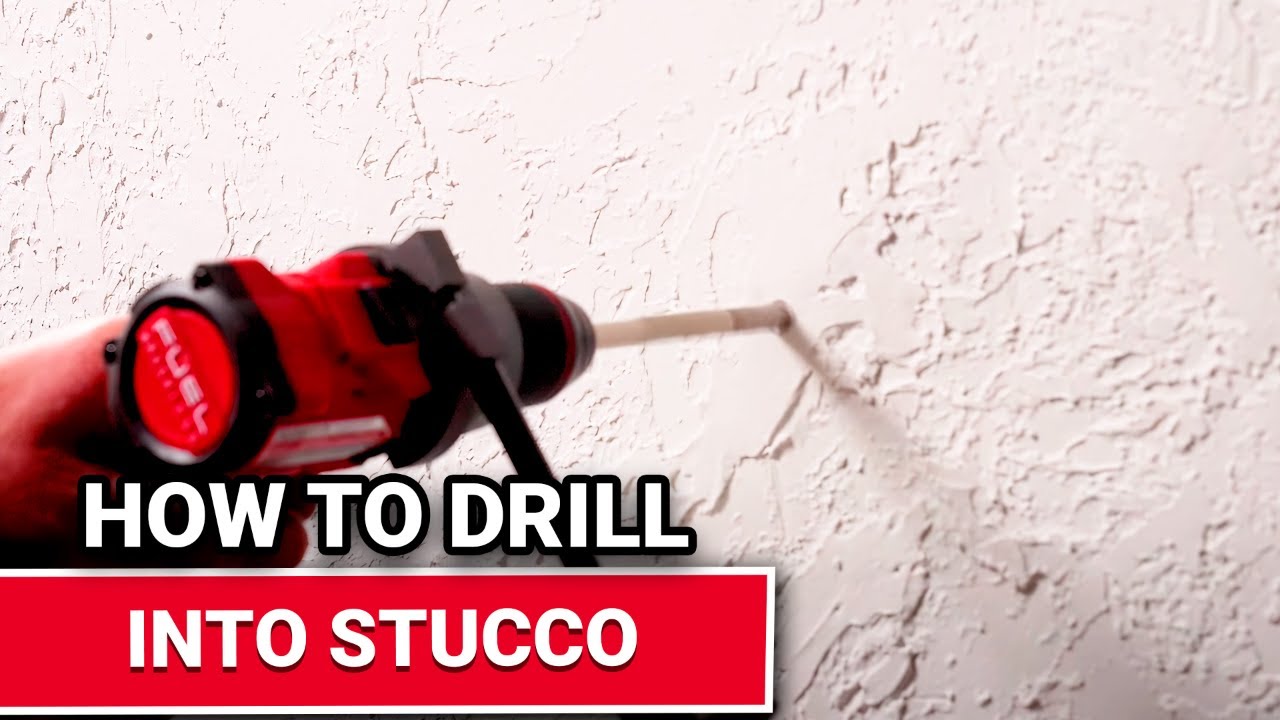
Image Source: i.ytimg.com
Gathering Your Essential Tools
Before you start drilling into stucco wall surfaces, having the correct equipment is crucial. This ensures a smoother process and prevents damage to your stucco.
Here’s a list of what you’ll need:
- Drill: A corded or cordless drill with adjustable speed and torque settings is ideal. A hammer drill is highly recommended, especially for tougher stucco or when drilling into concrete behind the stucco.
- Drill Bits: The right drill bits are paramount. For drilling into stucco, you’ll need specialized bits.
- Masonry Drill Bits: These are specifically designed for drilling into hard materials like concrete, brick, and stucco. They typically have a carbide tip that is shaped to penetrate these surfaces.
- Carbide-Tipped Masonry Bits: These are the best drill bits for stucco. They are durable and can handle the abrasive nature of stucco.
- Diamond-Tipped Bits: For very hard stucco or when precision is key, diamond-tipped bits can be used, though they are often more expensive.
- Safety Gear:
- Safety Glasses: Essential to protect your eyes from flying debris.
- Dust Mask: Stucco dust can be harmful to inhale.
- Gloves: Protect your hands from abrasion and potential splinters.
- Measuring Tape: For accurate placement of your holes.
- Pencil or Marker: To mark your drilling spots.
- Painter’s Tape or Masking Tape: To help prevent the stucco from chipping around the drill site.
- Vacuum Cleaner or Dustpan and Brush: For cleanup.
- Optional:
- Chalk Line: For longer, straight lines.
- Stud Finder: If you are drilling into an exterior wall and want to locate studs for added support.
- Hammer: To gently tap in anchors.
Preparing the Stucco Surface
Proper preparation is key to a successful and clean drilling job. This step helps prevent unnecessary damage and makes the drilling process much easier.
1. Inspecting the Stucco
- Check for Cracks: Before you start drilling, carefully examine the stucco surface. If there are existing cracks, drilling near them can worsen the damage. Try to drill in a solid, uncracked area.
- Identify Wall Layers: Stucco is usually applied over a lath backing, which could be metal mesh, wood lath, or even wire. Behind the lath, you might find wood framing, concrete, or masonry. Knowing what you’re drilling into helps you choose the right bit and drill setting. If you’re drilling into an exterior wall, it’s often a good idea to use a stud finder to locate wall studs for secure mounting.
2. Marking Your Drilling Spots
- Measure Carefully: Use your measuring tape to determine the exact location for your holes. Double-check your measurements.
- Mark with Precision: Use a pencil or marker to clearly mark the center of each hole.
- Apply Painter’s Tape: This is one of the most important stucco drilling tips. Apply a piece of painter’s tape or masking tape over the marked spot. This acts as a barrier, helping to prevent the stucco from chipping or crumbling as the drill bit enters the surface. You can then re-mark your drilling point on top of the tape.
Step-by-Step Drilling Process
Now that you have your tools and the surface is prepped, it’s time to drill. This is where the best way to drill stucco comes into play.
Step 1: Selecting the Right Drill Bit and Setting
- Choose Masonry Bits: As mentioned, masonry drill bits are your go-to for drilling into stucco. Select a bit that matches the diameter required for your anchor bolts or screws. For drilling anchor bolts into stucco, the anchor manufacturer will usually specify the correct drill bit size.
- Hammer Drill Function: For most stucco applications, engaging the hammer drill function is beneficial. This adds a percussive action to the rotation, helping the bit to break through the hard stucco material more effectively. If your drill doesn’t have a hammer function, or if the stucco is particularly soft, you can try drilling without it, but it will take longer and may be less efficient.
- Variable Speed: Use a lower speed setting on your drill, especially when you first start drilling. This gives you more control and reduces the risk of the drill bit wandering or creating excessive heat.
Step 2: Starting the Hole
- Position the Drill: Place the tip of the drill bit directly on your marked spot.
- Apply Gentle Pressure: Hold the drill perpendicular to the stucco surface.
- Start Slowly: Begin drilling at a slow speed. This ensures the bit starts cleanly without slipping. You’ll feel the bit begin to bite into the stucco.
Step 3: Drilling Through the Stucco
- Increase Speed Gradually: Once the bit has started, you can gradually increase the drill’s speed.
- Engage Hammer Drill (if applicable): If you’re using a hammer drill, now is the time to engage the hammer function.
- Maintain Steady Pressure: Apply consistent, firm pressure to push the drill bit forward. Don’t force it too hard; let the drill and the bit do the work. Excessive force can cause the stucco to crack.
- Clear Debris: Periodically pull the drill bit out of the hole while it’s still spinning slowly. This helps to clear out stucco dust and debris, preventing the bit from getting clogged and overheating. This is a crucial technique for drilling into stucco siding effectively.
Step 4: Drilling into the Backing Material (if needed)
- Adjust Settings: Once you’ve drilled through the stucco layer, you might need to adjust your drill settings depending on what lies beneath.
- Wood Studs: If you hit a wood stud, you can switch to a standard wood drill bit or continue with your masonry bit at a lower speed.
- Concrete or Masonry: If you encounter concrete or brick behind the stucco (common in drilling concrete stucco), keep your masonry bit engaged and continue drilling. You might need to apply slightly more pressure.
- Continue Drilling: Maintain steady pressure and continue drilling until you reach the desired depth for your anchor or screw.
Step 5: Cleaning the Hole
- Remove Debris: Once you’ve drilled to the required depth, pull the drill bit out. Use a vacuum cleaner with a crevice tool or a can of compressed air to thoroughly clean the hole of all dust and debris. A clean hole is essential for proper anchor installation. You can also use a small brush or a pipe cleaner.
Step 6: Installing Anchors or Screws
- Select Appropriate Anchors: The type of anchor you use will depend on the material behind the stucco and the weight of the item you are hanging.
- Masonry Anchors: For drilling anchor bolts into stucco when attaching to concrete or brick, you’ll typically use expansion anchors or sleeve anchors.
- Toggle Bolts: These are good for hollow wall applications if you’re not hitting studs and need to support moderate weight.
- Wood Screws: If you’ve successfully drilled into a wood stud, a sturdy wood screw will work well.
- Stucco Anchor Installation:
- Insert the Anchor: Gently insert the anchor into the pre-drilled hole. You may need to tap it lightly with a hammer to seat it properly. Ensure the anchor is flush with the stucco surface.
- Fasten the Item: Once the anchor is in place, you can attach your item using the appropriate screw or bolt. Tighten it securely, but avoid overtightening, which can strip the anchor or damage the stucco.
Specific Scenarios and Advanced Stucco Drilling Tips
When drilling through stucco exterior applications or dealing with challenging situations, a few extra considerations can make a big difference.
Drilling Through Stucco Siding
Stucco siding can vary in thickness and composition. The steps outlined above are generally applicable, but here are some extra stucco drilling tips for siding:
- Check for Insulation: Sometimes, there might be insulation behind the stucco. This usually doesn’t affect drilling but can contribute to dust.
- Lath Material: The type of lath (metal, plastic, wood) can influence how easily you drill. Metal lath might require a bit more effort.
- Exterior Paint: Exterior paint layers are generally thin and won’t pose a significant obstacle.
Drilling into Concrete Stucco
Some stucco finishes are applied directly over concrete block or poured concrete. In these cases, you’re essentially drilling into concrete with a stucco finish on top.
- Use a Powerful Hammer Drill: A robust hammer drill is highly recommended for drilling concrete stucco.
- Carbide-Tipped Masonry Bits are Essential: Ensure your masonry drill bits are of good quality and have sharp carbide tips.
- Cooling the Bit: For deeper holes in concrete stucco, the bit can get hot. Periodically pull the bit out to let it cool, or use a spray bottle with water to lightly cool the bit and the hole (be cautious of water and electricity).
Drilling Anchor Bolts into Stucco
When your project requires the strength of anchor bolts, such as for mounting heavy fixtures or railings, accuracy and the right anchors are paramount.
- Anchor Selection is Critical: Choose anchors designed for the specific load you intend to carry and the substrate behind the stucco. Consult the anchor manufacturer’s specifications.
- Drill Bit Size Matters: The diameter and depth of your hole must precisely match the anchor’s requirements. Over-drilling can weaken the anchor’s hold.
- Proper Anchor Installation: Ensure the anchor is fully seated and tightened according to instructions. For expansion anchors, tightening the bolt expands the anchor within the hole, creating a secure grip.
Best Drill Bits for Stucco: A Closer Look
The type of drill bit you use significantly impacts your success when drilling into stucco.
| Drill Bit Type | Best For | Considerations |
|---|---|---|
| Masonry Drill Bit | General stucco drilling, concrete, brick | Carbide tip is essential for hardness and durability. Available in various sizes. |
| Carbide-Tipped Bit | All stucco applications, especially harder types | Provides excellent penetration and longevity against abrasive materials. |
| Diamond-Tipped Bit | Precision drilling, very hard materials | Higher cost, but offers superior sharpness and can drill through almost anything. |
| Auger Bit (Wood) | Drilling into wooden lath or studs behind stucco | Not for the stucco itself, but useful if you need to pass through wood. |
Key Features to Look for in Masonry Drill Bits for Stucco:
- Carbide Tip: This is non-negotiable for effective stucco drilling. Look for bits with a thick, sharp carbide tip.
- Flute Design: The flutes help to remove debris from the hole. Deeper, wider flutes are better for clearing out stucco dust.
- Shank Type: Ensure the shank (the part that fits into the drill chuck) is compatible with your drill. SDS bits are common for hammer drills.
Common Mistakes to Avoid
Even with the right tools, mistakes can happen. Here are some common pitfalls and how to avoid them:
- Using the Wrong Drill Bit: Using a standard twist drill bit on stucco will dull it quickly and won’t penetrate effectively.
- Drilling Too Fast: High speeds can generate excessive heat, potentially damaging the drill bit and the stucco. It also reduces control.
- Applying Too Much Pressure: Forcing the drill can cause the stucco to fracture and crack outwards from the hole.
- Not Clearing Debris: Clogged holes lead to overheating, reduced drilling efficiency, and can even cause the drill bit to break.
- Skipping the Tape: Painter’s tape is a simple but highly effective way to prevent chipping and create cleaner holes.
- Not Checking for Obstructions: Drilling into utility lines (electrical wires, plumbing) behind the wall can be dangerous. Use a stud finder with electrical and metal detection capabilities if you are concerned.
Frequently Asked Questions About Drilling Stucco
Q1: What is the best way to drill stucco for hanging a picture?
For hanging a picture, you typically don’t need heavy-duty anchors. Use a small masonry drill bit (e.g., 3/16 inch or 1/4 inch) and a standard drill (or a hammer drill on a low setting). Apply painter’s tape to the spot, mark your center, drill slowly and steadily through the stucco, and then insert a plastic anchor or a screw directly into the hole if it’s small enough.
Q2: Can I drill into stucco with a regular drill bit?
It’s not recommended. Regular drill bits are designed for softer materials like wood or metal and will quickly become dull and ineffective when drilling into hard, abrasive stucco. You risk damaging the bit and making a mess. Always use masonry drill bits for stucco.
Q3: How deep do I need to drill into stucco?
The depth depends on what you are fastening. For anchors, follow the anchor manufacturer’s recommended drill depth. For screws into studs, drill slightly deeper than the screw’s length. For light items, drilling just deep enough for a plastic anchor is sufficient.
Q4: What type of anchors are best for drilling anchor bolts into stucco?
For drilling anchor bolts into stucco, especially when fastening to concrete or masonry behind the stucco, expansion anchors (like sleeve anchors or wedge anchors) or toggle bolts are excellent choices, depending on the weight requirements and wall structure. Always check the anchor’s specifications for the required drill bit size and depth.
Q5: How do I avoid chipping the stucco when drilling?
The best way to avoid chipping is to use painter’s tape over the drilling area. Mark your spot on the tape, and then drill slowly and steadily. Engaging the hammer drill function judiciously can also help, but a slow start and steady pressure are key.
Q6: Do I need a hammer drill for drilling into stucco?
While a standard drill can work for light tasks, a hammer drill is highly recommended for drilling into stucco, especially if it’s thick or you’re drilling into concrete stucco. The percussive action of a hammer drill makes the process much faster and easier by breaking up the material.
By following these detailed steps and employing these stucco drilling tips, you can confidently drill into your stucco surfaces for a variety of home improvement projects. Remember to prioritize safety and use the right tools for a clean, effective result.