
Yes, you can drill through a metal stud, and doing so safely is crucial for any DIY project or professional construction task. Drilling into metal stud framing requires the right tools, techniques, and safety precautions to avoid injury and ensure a clean, effective hole. This guide will walk you through the entire process of metal stud drilling, from selecting the best drill bit for metal stud applications to properly securing items to your newly drilled metal framing.
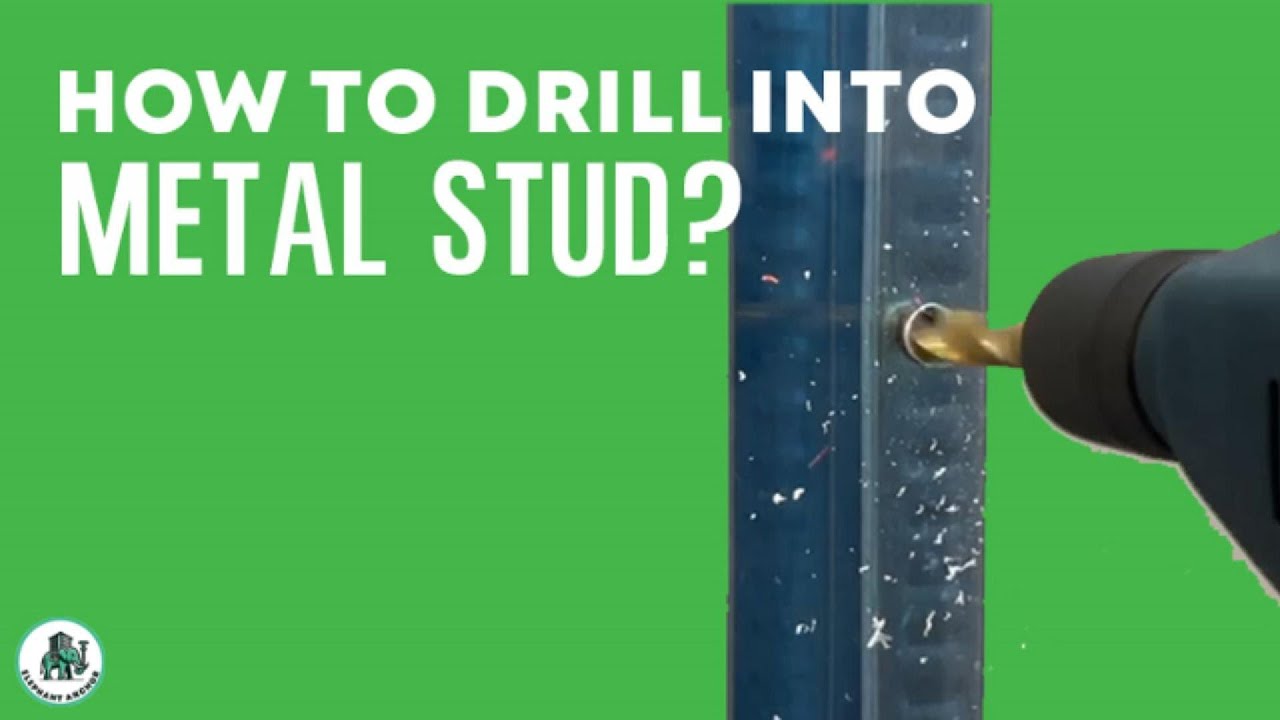
Image Source: i.ytimg.com
Preparing for Metal Stud Drilling
Before you even pick up a drill, proper preparation is key to a successful and safe metal stud drilling experience. This involves gathering the right equipment and ensuring your workspace is ready.
Essential Tools and Materials for Drilling Through Metal Studs
When you’re drilling into metal, the right tools make all the difference. Using standard wood bits can lead to dull bits, frustration, and potentially damaged materials. Here’s what you’ll need:
- Power Drill: A cordless or corded drill with variable speed control is ideal. Higher torque is generally better for drilling metal.
- Drill Bits: This is arguably the most important element. You need specialized bits designed for metal.
- High-Speed Steel (HSS) Bits: These are the most common and a good starting point. They offer decent hardness and heat resistance.
- Cobalt Bits: These are an excellent choice for drilling into harder metals like galvanized steel studs. Cobalt bits have added cobalt, making them harder and more heat-resistant than standard HSS bits. This is crucial for preventing the bit from overheating and becoming dull quickly.
- Titanium-Coated Bits: While good for general drilling, titanium coatings add an extra layer of hardness and heat resistance, making them a solid option for metal stud drilling.
- Center Punch: To create a small indentation at your drilling point, preventing the drill bit from wandering.
- Safety Glasses: Absolutely essential to protect your eyes from metal shavings and debris.
- Gloves: Work gloves will protect your hands from sharp edges and potential heat from friction.
- Measuring Tape: For accurate placement of your holes.
- Marker or Pencil: To mark your drilling locations.
- Cutting Fluid or Lubricant: This significantly reduces friction, keeps the drill bit cool, and extends its life. It also helps create a cleaner hole.
- Clamps (Optional but Recommended): To secure the metal stud if you’re drilling in an awkward position or if the stud is loose.
- Wire Brush: To clean away any burrs or sharp edges after drilling.
- Vacuum Cleaner or Dustpan and Brush: For efficient cleanup of metal shavings.
Understanding Metal Stud Types
Metal studs, often made of galvanized steel, vary in thickness. The gauge of the steel will influence how easily you can drill through it. Thicker gauge studs (lower gauge number) will require more effort and potentially a more robust drill bit. For typical wall framing, you’re usually dealing with 20-gauge or 25-gauge steel, which is relatively easy to drill through with the correct bit.
Step-by-Step Guide to Drilling Through a Metal Stud
Following these steps will ensure you achieve accurate holes without damaging your drill, the stud, or yourself.
Step 1: Locate and Mark Your Drilling Point
Precision is key when drilling into metal stud framing.
- Find the Stud: Use a stud finder designed for metal or tap on the wall to locate the solid core of the metal stud.
- Measure Accurately: Use your measuring tape to determine the exact position where you need to drill the hole.
- Mark the Spot: Use a marker or pencil to clearly mark the center of where you intend to drill.
Step 2: Create a Pilot Indentation
This is a critical step for successful metal stud hole drilling. A pilot indentation prevents your drill bit from “walking” or slipping across the smooth metal surface, ensuring the hole starts exactly where you want it.
- Use a Center Punch: Place the sharp point of the center punch directly on your marked spot.
- Strike Firmly: Give the punch a sharp, decisive tap with a hammer. You don’t need to punch all the way through the stud, just create a small divot.
Step 3: Select the Best Drill Bit for Metal Stud
As mentioned earlier, choosing the right drill bit is paramount.
- For Light Gauge Studs (e.g., 25-gauge): High-Speed Steel (HSS) bits are generally sufficient.
- For Thicker Gauge or Galvanized Steel Studs (e.g., 20-gauge): Cobalt bits or titanium-coated HSS bits are highly recommended. These offer the necessary hardness and heat resistance.
- Bit Size: Choose a drill bit that is slightly smaller than the screw, bolt, or anchor you intend to use for securing to the metal stud. If you’re drilling for a specific fastener, refer to its specifications for the recommended pilot hole size.
Step 4: Set Up Your Drill
Proper drill setup minimizes risk and maximizes efficiency.
- Variable Speed Drill: Set your drill to a low to medium speed. High speeds generate excessive heat, which can damage the drill bit and the metal.
- Torque Settings: If your drill has torque settings, start with a lower setting and gradually increase it if needed.
- Drilling Direction: Ensure your drill is set to rotate in the correct direction (clockwise for drilling).
Step 5: Apply Lubricant
Lubrication is your best friend when drilling metal.
- Apply Cutting Fluid: Place a small amount of cutting fluid or a general-purpose lubricant onto the pilot indentation and the area where you will be drilling. This will keep the bit cool, reduce friction, and help clear away metal chips.
Step 6: Begin Drilling
This is where the metal stud drilling happens.
- Start Slow and Steady: Position the tip of your chosen drill bit into the center punch indentation.
- Apply Gentle, Consistent Pressure: Let the drill bit do the work. Avoid forcing the drill. Too much pressure can cause the bit to break or overheat.
- Maintain a Straight Angle: Keep the drill perfectly perpendicular to the metal stud to ensure a clean, straight hole.
- Drill in Short Bursts (Pecking Motion): Especially when drilling through thicker metal, it’s beneficial to drill for a few seconds and then pull the bit out slightly. This allows the lubricant to reach the cutting edge and clears away metal shavings, preventing the hole from getting clogged.
Step 7: Clearing Metal Shavings
As you drill, metal shavings will accumulate. Clearing these is vital for safety and for allowing the lubricant to work effectively.
- Withdraw the Bit: Periodically pull the drill bit out of the hole, especially if you are using the pecking motion.
- Clean the Bit: Use a wire brush or a rag to remove metal shavings from the drill bit.
- Clean the Hole: Blow away any accumulated metal dust from the hole and the surrounding area using compressed air if available, or carefully wipe it away with a cloth.
Step 8: Complete the Hole
- Continue Drilling: Once the shavings are cleared, re-engage the drill bit and continue drilling until you have passed completely through the metal stud.
- Ease Pressure: As you feel the bit about to break through the other side, reduce the pressure slightly to avoid damaging the back edge of the stud or the material behind it.
Step 9: Deburr and Clean the Hole
After successfully drilling through the metal stud, you’ll want to make the hole safe and ready for your fastener.
- Remove Burrs: Metal drilling often leaves sharp edges, or “burrs,” around the hole. Use a deburring tool, the edge of a utility knife (carefully!), or a wire brush to gently scrape away these burrs.
- Clean the Area: Thoroughly clean the area around the hole to remove any remaining metal shavings. A vacuum cleaner is excellent for this.
Securing to a Metal Stud
Now that you’ve mastered metal stud hole drilling, you can proceed to securing items to your metal stud. This is the primary reason for drilling in the first place.
Choosing the Right Fasteners for Metal Studs
The type of fastener you use will depend on what you are trying to attach and the weight it will bear.
- Self-Tapping Screws: These screws have a drill-bit-like tip and are designed to create their own threads as they are screwed into metal. They are a popular choice for securing lighter items. Ensure you use self-tapping screws specifically designed for metal.
- Sheet Metal Screws: Similar to self-tapping screws, these are also designed for metal applications.
- Bolts and Nuts: For heavier items, you might drill a hole large enough for a bolt and then use a nut and washer on the back side of the stud (if accessible) to create a very secure connection.
- Toggle Bolts or Molly Bolts: If you cannot access the back of the stud, these types of anchors expand behind the metal as you tighten them, providing a strong hold. You’ll need to ensure your drilled hole is the correct size for the specific anchor.
- Concrete Screws (Tapcons): While primarily for concrete, some versions are suitable for drilling into metal studs if you are securing something directly to the stud without needing to go through drywall. You’ll still need to drill a pilot hole first.
Methods for Securing Items
- Direct Screw Attachment: If the item you are attaching has pre-drilled holes and you’re using self-tapping or sheet metal screws, simply align the item with your drilled pilot hole and drive the screw in using your drill. You might need to switch your drill to a lower speed and higher torque setting for this.
- Anchor Installation: If using an anchor like a toggle bolt or molly bolt, follow the manufacturer’s instructions for installation after drilling the pilot hole. This usually involves inserting the anchor and then tightening it to expand it.
- Bolting: If using a bolt, insert the bolt through your drilled hole and secure it with a washer and nut on the other side.
Troubleshooting Common Metal Stud Drilling Issues
Even with preparation, you might encounter a few hiccups. Here’s how to address them:
Bit Wandering
- Cause: Not using a center punch or starting the drill too fast.
- Solution: Always use a center punch to create a starting indentation. Ensure the drill bit is firmly seated in the indentation before starting at a slow speed.
Overheating Drill Bits
- Cause: Drilling too fast, applying too much pressure, or not using lubricant.
- Solution: Slow down your drill speed, reduce pressure, and always use cutting fluid or lubricant. Allow the bit to cool periodically.
Stripped Screw Heads
- Cause: Using the wrong size drill bit for the pilot hole, or forcing the screw.
- Solution: Ensure your pilot hole is the correct size for the screw you are using. Use the correct bit for your screw head (e.g., Phillips, Torx) and apply steady, controlled pressure.
Difficulty Drilling Through Thick Metal
- Cause: Using an inadequate drill bit or not enough power.
- Solution: Switch to cobalt or titanium-coated bits. Ensure your drill has sufficient power. Try the pecking motion more frequently.
Safety First: Always Prioritize Your Well-being
When drilling metal, safety should be your absolute top priority.
- Eye Protection: Never drill metal without safety glasses. Metal shavings are sharp and can easily cause eye injury.
- Hand Protection: Wear sturdy work gloves to protect your hands from sharp metal edges and potential heat.
- Secure the Workpiece: If you are drilling a metal stud that is loose or not part of a larger structure, consider clamping it securely to prevent it from moving unexpectedly.
- Electrical Safety: Be aware of any electrical wiring that might be present within or near the metal stud you are drilling. Use a non-contact voltage tester if you are unsure.
- Ventilation: Ensure you have adequate ventilation, as metal dust can be an irritant.
Frequently Asked Questions about Drilling Metal Studs
Q1: Can I use a regular drill bit for metal studs?
A1: While it might be possible for very thin gauge metal with a sharp HSS bit, it’s not recommended. Regular drill bits designed for wood or plastic will dull very quickly, overheat, and may break when trying to drill into metal. It’s best to use drill bits specifically designed for metal, such as HSS, cobalt, or titanium-coated bits.
Q2: What is the best drill bit for drilling into galvanized steel stud?
A2: For galvanized steel studs, cobalt drill bits are generally considered the best. Their enhanced hardness and heat resistance allow them to cut through harder metals more effectively and last longer than standard HSS bits. Titanium-coated bits are also a good alternative.
Q3: How do I prevent the drill bit from slipping on the metal stud?
A3: The most effective way to prevent bit slippage is to create a pilot indentation using a center punch before you start drilling. This gives the drill bit a defined starting point. Also, start drilling at a slow speed with steady pressure.
Q4: Do I need to use lubricant when drilling metal studs?
A4: Yes, using cutting fluid or a lubricant is highly recommended. It significantly reduces friction, keeps the drill bit cool, prevents it from overheating and dulling prematurely, and helps clear away metal chips for a cleaner hole.
Q5: How do I make the hole size accurate for securing to a metal stud?
A5: The accuracy of your hole size depends on using the correct drill bit diameter for the fastener or anchor you intend to use. Always check the specifications of your screw, bolt, or anchor for the recommended pilot hole size. Starting with a smaller pilot hole and gradually increasing the bit size can also help maintain accuracy.
Q6: What if I drill the hole too large?
A6: If you drill the hole too large, it might be difficult to get a secure hold with your intended fastener. For screws, you might need to use a slightly larger screw or a screw with a wider thread. For anchors, you might need to use an anchor designed for a larger hole, or you may need to patch the existing hole and drill a new one in a slightly different location.
Q7: Is it safe to drill through metal studs that have wires running through them?
A7: Absolutely not, unless you are certain there are no wires present. Metal studs often serve as conduits for electrical wiring. Before drilling, always use a non-contact voltage tester to check for the presence of electricity. If you suspect wires are present, or if you are unsure, do not drill. Consult a qualified electrician to safely reroute wiring or confirm the area is safe.
Q8: How do I remove burrs after drilling a metal stud?
A8: Burrs are sharp edges left after drilling. You can safely remove them using a deburring tool, the edge of a sharp utility knife (use extreme caution), or a round metal file or wire brush. Always wear gloves when deburring.
By following these guidelines for metal stud drilling, you can confidently tackle projects that require making holes in metal framing, ensuring both a professional finish and your personal safety.