

Imagine building something amazing with wood – a sturdy birdhouse, a cool bookshelf, or even a treehouse! But what holds all those beautiful wooden pieces together? It’s the glue, the unsung hero of woodworking. Choosing the right wood glue can feel like navigating a maze. There are so many different kinds, and picking the wrong one can lead to wobbly projects or glue that doesn’t stick properly. Frustrating, right?
That’s where we come in. This post is your friendly guide to understanding wood glues. We’ll break down the mysteries of different types, explain what makes them strong, and help you figure out which glue is perfect for your next project. You’ll learn how to avoid common mistakes and feel confident in your glue choices.
Get ready to discover the secrets of strong, reliable wood bonds. By the end of this post, you’ll be a wood glue pro, ready to tackle any project with the right adhesive in hand.
Our Top 5 Wood Adhesive Glue Recommendations at a Glance
| Image | Product | Rating | Links |
|---|---|---|---|
 |
Gorilla Ultimate Waterproof Wood Glue | 9.2/10 | Check Price |
 |
Titebond III Ultimate Wood Glue | 9.4/10 | Check Price |
 |
Titebond Original Wood Glue 5063 | 8.9/10 | Check Price |
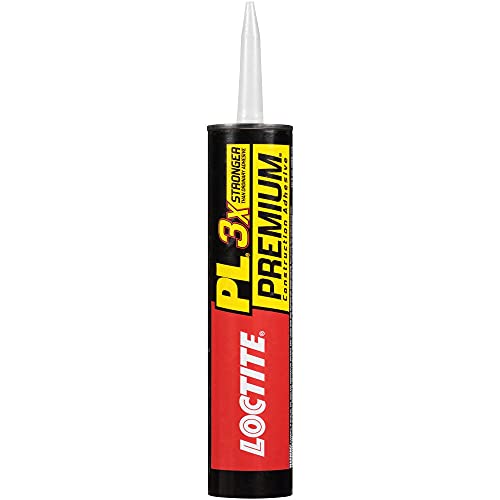 |
Loctite PL Premium Polyurethane Construction Adhesive | 8.7/10 | Check Price |
 |
Titebond 5003 II Premium Wood Glue | 8.9/10 | Check Price |
Top 5 Wood Adhesive Glue Detailed Reviews
1. Gorilla Ultimate Waterproof Wood Glue
Rating: 9.3/10
Get ready to tackle any woodworking project with the Gorilla Ultimate Waterproof Wood Glue. This glue is built tough and perfect for both indoor and outdoor jobs. It creates a super strong bond that won’t let you down, no matter the weather.
What We Like:
- It works great inside and outside. This glue is waterproof and can handle sun and heat.
- You have plenty of time to work. It gives you 15 minutes before it sets.
- It works on all kinds of wood, like hard and soft woods. It also blends in with a natural tan color.
- The glue dries clear and doesn’t foam up. You can sand it and paint it to make your project look amazing.
- It’s easy to use. Just use soap and water to clean up any extra glue.
What Could Be Improved:
- The 18-ounce bottle might be a bit large for small jobs.
- It’s a bit more expensive than some other wood glues.
Overall, this Gorilla Wood Glue is a fantastic choice for anyone who wants a durable and reliable bond for their woodworking projects. You can trust it to hold up through anything.
2. Titebond III Ultimate Wood Glue
Rating: 9.3/10
Titebond III Ultimate Wood Glue is a top-notch choice for any woodworking project. This 16-ounce bottle of glue (#1414) is designed to create super-strong bonds that are even tougher than the wood itself. It’s also built to handle heat well and sands down smoothly, making your finished projects look fantastic. Cleanup is a breeze because it washes away with water when it’s still wet.
What We Like:
- It makes wood joints stronger than the wood.
- It handles heat really well.
- Sanding is super easy after it dries.
- You can clean up spills with just water while the glue is wet.
- It grabs surfaces quickly for a strong start.
- You get a good 30 minutes to clamp your pieces in place.
- It’s not toxic and is safe for everyone to use.
What Could Be Improved:
- While it’s water-resistant once cured, it’s not completely waterproof for submersion.
- The 30-minute clamp time might be a bit long for some quick fixes or very fast-paced projects.
For anyone serious about woodworking, Titebond III Ultimate Wood Glue offers reliable strength and ease of use. It’s a glue you can trust for projects that need to last.
3. Titebond Original Wood Glue 5063
Rating: 9.3/10
The Titebond Original Wood Glue 5063 is a go-to choice for anyone working with wood. It’s made in the USA and is known for being super strong. This glue creates bonds that are actually stronger than the wood itself. It’s great for building furniture, fixing things around the house, or even for small model projects. Plus, cleanup is a breeze because it’s water-based and not toxic.
What We Like:
- It bonds stronger than wood, making your projects super sturdy.
- It sets fast, meaning you don’t have to clamp your pieces for a long time.
- Cleanup is easy with water and it’s non-toxic, which is great for safety.
- It sands down really well after it dries, so you can get a smooth finish.
- Once it’s dry, finishes like paint or stain won’t affect the glue bond.
- It’s the industry standard, so you know you’re getting a reliable product.
What Could Be Improved:
- The 8-ounce size might be too small for very large projects.
- While it’s fast-setting, some users might prefer an even quicker dry time for certain applications.
This Titebond Original Wood Glue is a solid performer for a wide range of woodworking tasks. You can trust it to create strong, lasting bonds for all your projects.
4. Loctite PL Premium Polyurethane Construction Adhesive
Rating: 9.2/10
Tackling your next home project just got easier with Loctite PL Premium Polyurethane Construction Adhesive. This powerful glue is your go-to for a wide range of building and repair jobs. It sticks to almost anything, making your projects strong and last long.
What We Like:
- It’s an all-purpose glue that works on many different materials like wood, concrete, metal, and even foam insulation.
- It’s super strong – three times stronger than regular construction glues, making your bonds extra tough.
- You can use it both inside and outside your home.
- It’s waterproof and can be used even on wet or frozen surfaces.
- It doesn’t have a strong smell and you can paint over it once it’s dry.
- It sets quickly, in about 30 minutes, and is fully cured in 24 hours.
- It won’t shrink as it dries, giving you a solid, reliable hold.
What Could Be Improved:
- While it’s versatile, for very specific or delicate materials, you might want to test it first in a small, hidden spot.
- It comes in a standard cartridge, so you’ll need a caulk gun to apply it.
This Loctite adhesive is a reliable partner for any serious DIYer or professional. Its strength and versatility make it a smart choice for almost any construction task you can imagine.
5. Titebond 5003 II Premium Wood Glue
Rating: 9.5/10
The Titebond 5003 II Premium Wood Glue is an 8-ounce bottle of super strong glue made in the USA. It’s designed for working with wood and is a great choice for all sorts of projects, whether you’re building something inside or outside. This glue is known for holding things together really well, even when things get a little wet.
What We Like:
- This glue sticks super fast, so your projects move along quickly.
- It’s great for outdoor projects because it doesn’t wash away easily.
- You can easily sand it down once it’s dry, making your projects look neat.
- It creates a really strong connection between wood pieces.
- It holds up well against water, which is a big plus for outdoor use.
What Could Be Improved:
- The 8-ounce size might be a bit small for very large projects.
- While it’s water-resistant, it might not be the best choice for projects that will be completely submerged in water for long periods.
For anyone tackling wood projects, this Titebond glue offers reliable strength and durability. It’s a solid choice that helps ensure your creations stand the test of time.
Choosing the Right Wood Glue: Your Handy Guide
Picking the best wood glue helps your projects last. It’s like choosing the right paint for a masterpiece. This guide helps you find the perfect glue for your needs.
1. Key Features to Look For
Strength and Durability
The glue needs to hold wood pieces together firmly. Look for glues that create a strong bond. This bond should last a long time, even with use.
Drying Time
Some projects need glue that dries fast. Others need more time to position the wood perfectly. Consider how quickly you need the pieces to stick.
Water Resistance
If your project will be outside or in a wet place, you need water-resistant glue. This stops the glue from breaking down when it gets wet.
Flexibility
Some wood projects need a little give. A flexible glue can handle slight movements without cracking. This is important for things that might expand or contract.
Sandability and Finishability
After the glue dries, you might want to sand or paint the wood. The best glues dry in a way that makes this easy. They don’t gum up sandpaper.
2. Important Materials
Wood Type
Different woods need different glues. Softwoods like pine are easy to glue. Hardwoods like oak or maple need a stronger bond. Exotic woods can be tricky too.
Project Type
Are you building furniture? Making a birdhouse? Repairing a chair? The project’s purpose affects the glue you need. Furniture needs strong, lasting glue. Craft projects might use simpler glues.
Environmental Conditions
Will the project be inside or outside? Will it face heat or cold? This matters. Outdoor projects need waterproof glue. Indoor projects have more options.
3. Factors That Improve or Reduce Quality
Preparation is Key
Clean, dry wood sticks best. Make sure the surfaces are smooth and free of dust or old glue. This helps the new glue grab well.
Proper Clamping
After applying glue, you need to hold the pieces together tightly. Clamps apply pressure. This pressure helps the glue spread evenly and create a strong bond. Without good clamping, the glue might not hold as well.
- Too little pressure weakens the joint.
- Too much pressure can squeeze out all the glue.
Application Amount
Use enough glue, but not too much. A thin, even coat is usually best. Too little glue leaves gaps. Too much glue makes a mess and can weaken the joint if it prevents close contact.
Drying Conditions
Glue needs the right temperature and humidity to dry properly. Extreme heat or cold can hurt the bond. Follow the glue maker’s instructions.
4. User Experience and Use Cases
Beginner-Friendly Glues
For simple crafts or quick repairs, PVA glues are great. They are easy to use, clean up with water, and are non-toxic. They work well for basic woodworking.
Heavy-Duty Projects
For furniture, cabinets, or structural repairs, stronger glues are needed. Polyurethane glues are very strong and waterproof. They expand as they dry, filling gaps.
Specialty Applications
Some glues are made for specific tasks. Epoxy glues offer extreme strength and can fill gaps. Cyanoacrylate (super glue) is fast-drying for small repairs.
Choosing the right wood glue makes a big difference. Think about your project, the wood, and where it will go. With the right glue and a little care, your wood projects will be strong and beautiful.
Frequently Asked Questions About Wood Glue
Q: What is the strongest type of wood glue?
A: Polyurethane glues and epoxy glues are generally the strongest. They offer excellent water resistance and durability.
Q: Can I use wood glue on plastic?
A: Most wood glues are not designed for plastic. You will need a specialized plastic adhesive for that.
Q: How long does wood glue take to dry?
A: Drying times vary. Basic PVA glues might be dry to the touch in an hour but reach full strength in 24 hours. Faster-drying glues exist, and some specialized glues can cure in minutes.
Q: Is wood glue waterproof?
A: Not all wood glues are waterproof. Look for glues labeled as “waterproof” or “water-resistant” if your project will be exposed to moisture.
Q: How do I clean up wood glue?
A: Water-based PVA glues can usually be wiped up with a damp cloth while wet. For dried glue or other types, you might need a solvent like denatured alcohol or a scraper.
Q: Can I paint over wood glue?
A: Yes, most wood glues can be painted or stained after they are fully dry. However, some glues might show a slight difference in color or texture.
Q: What is the difference between PVA glue and Titebond?
A: PVA (Polyvinyl Acetate) is a type of glue. Titebond is a brand that makes many different types of wood glues, including many PVA-based ones.
Q: Do I need clamps for wood glue?
A: Yes, clamps are almost always necessary. They hold the pieces together firmly while the glue cures, ensuring a strong bond.
Q: Can I use wood glue for outdoor projects?
A: Only if the glue is specifically rated for outdoor use and is water-resistant or waterproof. Regular wood glue will likely fail outdoors.
Q: How much glue should I use?
A: Apply a thin, even layer to one surface. You want enough to spread slightly when clamped, but not so much that it squeezes out everywhere.
In conclusion, every product has unique features and benefits. We hope this review helps you decide if it meets your needs. An informed choice ensures the best experience.
If you have any questions or feedback, please share them in the comments. Your input helps everyone. Thank you for reading.