
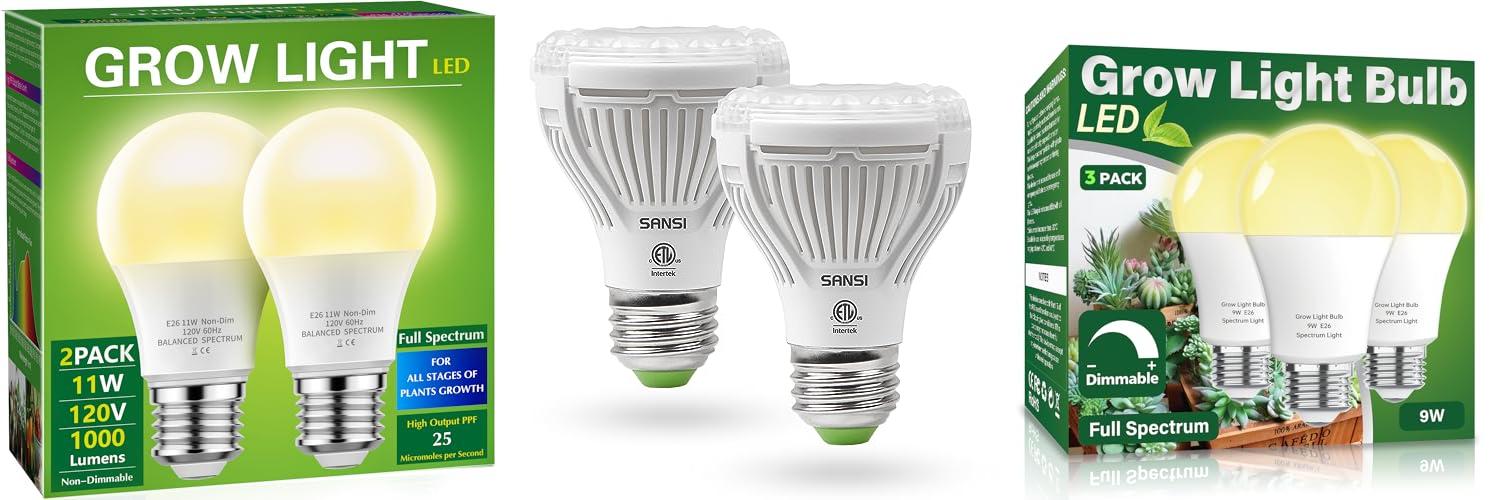
Imagine a garden bursting with vibrant colors, even when the weather outside is dreary. That’s the magic of grow bulbs! These little powerhouses hold the promise of beautiful flowers and lush greenery, waiting for the right moment to awaken. But stepping into the world of grow bulbs can feel a bit overwhelming. Ever stood in a garden center, staring at rows and rows of bulbs, wondering which ones will actually thrive in your space and give you the blooms you dream of?
It’s a common struggle! You want to bring life and beauty into your home or garden, but the sheer variety can leave you feeling confused. Will this bulb flower in spring or summer? Does it need full sun or shade? These questions can stop you before you even begin. But don’t worry, we’ve got you covered. By the end of this post, you’ll feel confident in choosing the perfect grow bulbs for your needs and understand how to give them the best chance to shine.
We’ll explore the different types of bulbs, what makes them tick, and how to pick the ones that will bring you the most joy. Get ready to unlock the secrets to a more colorful and rewarding gardening experience!
Our Top 5 Grow Bulbs Recommendations at a Glance
| Image | Product | Rating | Links |
|---|---|---|---|
 |
Grow Light Bulbs | 9.1/10 | Check Price |
 |
SANSI LED Grow Light Bulb for Seeds and Greens | 9.4/10 | Check Price |
 |
Wiyifada 3 Pack Full Spectrum Grow Light Bulbs | 9.3/10 | Check Price |
 |
Briignite LED Grow Light Bulbs | 9.3/10 | Check Price |
 |
SANSI Grow Lights for Indoor Plants Full Spectrum | 9.2/10 | Check Price |
Top 5 Grow Bulbs Detailed Reviews
1. Grow Light Bulbs
Rating: 9.0/10
The Briignite LED Grow Light Bulb is a fantastic option for anyone wanting to grow plants indoors. This 2-pack of A19 bulbs provides full-spectrum light that mimics natural sunshine, perfect for all stages of plant growth, from starting seeds to growing delicious veggies like tomatoes and peppers. It’s designed to be bright and energy-efficient, saving you money on your electricity bill.
What We Like:
- It provides a full spectrum of light, just like natural sunlight, helping your plants grow well.
- These bulbs are very bright but use only 11 watts, saving you about 90% on energy costs compared to old bulbs.
- The light is a pleasant 4000K white, so it looks natural in your home and doesn’t create harsh colors.
- They are made with good materials for better cooling, so they last a long time.
- Installation is super easy; they fit into any standard E26 light socket.
What Could Be Improved:
- While the light is good for plants, some users might prefer a bulb with adjustable brightness settings for different plant needs.
- The 11W power draw is great for saving energy, but for very large or dense plant setups, multiple bulbs might be needed.
Overall, the Briignite LED Grow Light Bulb is a smart and effective choice for indoor gardening. It offers great value and makes growing plants indoors simple and enjoyable.
2. SANSI LED Grow Light Bulb for Seeds and Greens
Rating: 8.6/10
The SANSI LED Grow Light Bulb for Seeds and Greens is a powerful tool for indoor gardeners. This 2-pack offers a full spectrum light, mimicking natural sunlight to help your plants thrive from seed to harvest. Its 10W design is equivalent to a 150W traditional bulb, providing ample light without the high energy cost. The special lens helps focus the light, making sure your plants get the best possible boost.
What We Like:
- The 4000K daylight color temperature is great for all stages of plant growth, from starting seeds to growing leafy greens.
- It has a high color rendering index (Ra close to 100), which means the colors look very natural, just like real sunlight.
- The secondary optical lens design helps direct the light better, giving plants more usable light and making the bulb last longer (25,000 hours).
- SANSI’s special Chip on Ceramic (COC) technology makes the bulb run cooler and more efficiently.
- The ceramic material makes the bulb safe, fire-resistant, and protected from corrosion, so it’s durable and reliable.
- It doesn’t produce a lot of heat, so you don’t have to worry about burning your plants when they’re close.
- The bulbs are ETL listed and CE certified, meaning they meet safety standards.
- You get excellent customer support with 7×24 help and a 5-year after-sale service.
What Could Be Improved:
- The light output (PPFD) is measured at 1 foot. For larger or taller plants, you might need to adjust the distance or use multiple bulbs.
- While efficient, 10W might not be enough for flowering or fruiting plants that need more intense light.
This SANSI grow light set is a fantastic choice for anyone wanting to grow seeds and greens indoors. Its advanced technology and focus on plant health make it a reliable and effective lighting solution.
3. Wiyifada 3 Pack Full Spectrum Grow Light Bulbs
Rating: 9.4/10
Bring the sunshine indoors with the Wiyifada 3 Pack Full Spectrum Grow Light Bulbs! These A19 bulbs are designed to give your indoor plants everything they need to thrive, no matter the season. They fit into any standard E26 socket, making them super easy to use. If you love growing herbs in your kitchen, flowers on your desk, or veggies in your greenhouse, these bulbs will help them grow faster and healthier.
What We Like:
- These bulbs are very energy-efficient. They use only 9W but give as much light as a 100W bulb, saving you money.
- They provide a full spectrum of light (400-740nm). This means your plants get all the light colors they need to grow well at every stage.
- The bulbs are built to last, with an average lifespan of 20,000 hours, so you won’t have to replace them often.
- Their special design keeps them cool, so they won’t harm your plants even if they are on for a long time.
- They fit easily into any standard E26 light socket, so no special fixtures are needed.
- The 150-degree light output helps spread light evenly over your plants.
What Could Be Improved:
- The product description mentions “Dimmable,” but the features don’t explain how to dim them or if a dimmer switch is needed.
- While the bulbs are designed for cooling, more details on the specific materials used for heat dissipation could be helpful for some users.
These Wiyifada grow light bulbs are a fantastic way to boost your indoor gardening. They offer great performance and energy savings, making them a smart choice for any plant lover.
4. Briignite LED Grow Light Bulbs
Rating: 9.3/10
Grow your plants like a pro with the Briignite LED Grow Light Bulbs. This 3-pack of full-spectrum bulbs provides the light your indoor garden needs to thrive, no matter the season. They look like regular white lights, but they pack a powerful punch of red and blue light, just like sunshine.
What We Like:
- These bulbs give off a natural, white light that’s easy on your eyes and looks great in your home, unlike some other grow lights that cast a purple or red glow.
- They mimic natural sunlight, giving your plants everything they need, from growing leaves to producing fruits like tomatoes and peppers.
- Each bulb is super bright, shining 1000 lumens of light over 180 degrees, but only uses 11 watts. This saves you a lot of money on your electricity bill, up to 90%!
- The light is designed to be absorbed well by plants, helping them grow faster and healthier.
- They last a long time, up to 25,000 hours, thanks to their smart design that keeps them cool.
- Installation is a breeze! They fit right into any standard E26 light socket, so you don’t need any special fixtures.
What Could Be Improved:
- While the PPF is stated, a more detailed breakdown of the spectrum distribution might be helpful for serious growers.
- The 11W power draw is efficient, but for very large grow areas, multiple bulbs will be necessary, which could increase the initial cost.
These Briignite LED grow light bulbs are a fantastic way to boost your indoor gardening. They offer excellent value, combining efficiency, effectiveness, and aesthetic appeal for happy, healthy plants.
5. SANSI Grow Lights for Indoor Plants Full Spectrum
Rating: 8.9/10
The SANSI Grow Light Bulb is a powerful and versatile option for anyone looking to boost their indoor plant growth. This 36W LED bulb is designed to mimic natural sunlight, providing a full spectrum of light from 400nm to 780nm, perfect for every stage of your plants’ lives, from tiny seedlings to mature fruiting plants. Its high light output and efficient design promise healthier plants and better harvests.
What We Like:
- Full Spectrum 4000K Daylight: Mimics natural sunlight for all plant growth stages.
- Excellent Light Quality: High color rendering index (Ra close to 100) means plants get light very similar to the sun.
- Efficient Light Distribution: Secondary optical lens concentrates light where plants need it most, increasing light utilization.
- High PPF and PPFD: Delivers a strong amount of usable light for plants (65.6 umol/s PPF, 265.58 μmol/s/㎡ PPFD at 1ft).
- Patented COC Technology: Chip on Ceramic design helps the bulb run cooler and last longer (up to 25,000 hours).
- Safe and Durable: Made from special, flame-retardant ceramic material that is also anti-corrosion.
- Plant-Friendly: Emits less heat, reducing the risk of burning delicate leaves.
- Certified Safe: ETL listed, ensuring quality and safety standards are met.
- Long Warranty: Comes with a 5-year protection plan for peace of mind.
What Could Be Improved:
- Initial Cost: While energy-efficient, the upfront cost might be higher than basic grow lights.
- Single Bulb Focus: This is a single bulb, so for larger setups, multiple units would be needed.
The SANSI Grow Light Bulb stands out with its advanced technology and commitment to plant health. It’s a reliable choice for serious indoor gardeners wanting to optimize their plant’s environment.
Choosing the Best Grow Bulbs for Your Garden
Grow bulbs are like little packages of magic for your garden. They hold the promise of beautiful flowers and lush greenery. Choosing the right ones can make a big difference in how successful your planting is. This guide will help you pick the perfect grow bulbs for your needs.
Key Features to Look For
When you’re shopping for grow bulbs, keep these important features in mind.
- Variety: Many different types of bulbs exist. Some grow tall and showy flowers, while others stay low and spread out. Think about the look you want for your garden. Do you want bright tulips, fragrant lilies, or cheerful daffodils?
- Bloom Time: Bulbs bloom at different times of the year. Some flower in spring, others in summer, and some even in fall. Planning your bulb purchases ensures you have color in your garden for as long as possible.
- Sunlight Needs: Different bulbs need different amounts of sun. Some love full sun, while others prefer shady spots. Check the bulb packaging to see what your chosen bulbs need. This helps them grow strong.
- Size and Health: Look for bulbs that are firm and plump. Avoid bulbs that are soft, moldy, or have cuts. A healthy bulb is more likely to grow well.
Important Materials (What Bulbs Are Made Of)
Grow bulbs are living plants in a dormant state. They are designed to store food and energy.
- Tunic: Most bulbs have a papery outer layer called a tunic. This protects the bulb.
- Basal Plate: The bottom of the bulb is the basal plate. Roots grow from here.
- Buds: Inside the bulb, you’ll find the flower bud and potential leaves.
These parts work together to help the bulb sprout and grow when conditions are right.
Factors That Improve or Reduce Quality
Several things affect how good your grow bulbs are.
- Storage: Bulbs need to be stored properly before planting. They should be kept in a cool, dry, and dark place. If bulbs are stored incorrectly, they can dry out or rot. This reduces their quality.
- Origin and Supplier: Buying from reputable suppliers is important. Good suppliers ensure their bulbs are healthy and disease-free. This improves your chances of success.
- Handling: Rough handling can damage bulbs. Gentle handling protects their delicate parts.
User Experience and Use Cases
Grow bulbs offer a rewarding gardening experience.
- Easy to Plant: Most bulbs are simple to plant. You just dig a hole, place the bulb in, and cover it with soil. This makes them great for beginners.
- Low Maintenance: Once planted, bulbs often require little care. They just need water and the right amount of sunlight.
- Beautiful Blooms: The reward for your effort is stunning flowers. They bring color and joy to any garden space.
- Containers and Borders: Bulbs work well in flowerbeds, borders, and even pots. You can create beautiful displays in small spaces.
- Naturalizing: Some bulbs will come back year after year. This is called naturalizing. They spread and create beautiful drifts of color over time.
Frequently Asked Questions About Grow Bulbs
Q: What is the best time to plant grow bulbs?
A: The best time to plant most grow bulbs is in the fall. This gives them time to establish roots before winter. Spring-blooming bulbs are planted in fall. Summer-blooming bulbs are planted in spring.
Q: How deep should I plant a grow bulb?
A: A good rule of thumb is to plant bulbs about three times as deep as they are tall. Check the specific bulb’s instructions for the best depth.
Q: Do I need to fertilize grow bulbs?
A: You can add some bone meal or a bulb fertilizer when planting. This helps them grow strong roots. However, many bulbs do well without extra fertilizer.
Q: What if my bulbs don’t bloom?
A: Several things can cause this. The bulb might not have been healthy to begin with. It might not have gotten enough sun or water. Sometimes, pests can be the problem. You might also have planted it too late.
Q: Can I plant grow bulbs in pots?
A: Yes, you absolutely can! Pots are a great way to grow bulbs, especially if you have limited garden space. Make sure the pots have drainage holes.
Q: How do I store leftover grow bulbs?
A: Store leftover bulbs in a cool, dry, and dark place. Use paper bags or mesh bags. Avoid plastic bags, as they can trap moisture.
Q: What is the difference between a bulb, a corm, and a tuber?
A: While often used interchangeably, they are different. A bulb, like a tulip, has layers. A corm, like a gladiolus, is solid. A tuber, like a dahlia, has eyes.
Q: How much sun do most bulbs need?
A: Most bulbs prefer full sun, meaning at least six hours of direct sunlight per day. Some, like certain daffodils, can tolerate partial shade.
Q: What should I do after the flowers fade?
A: Let the foliage (leaves) die back naturally. Do not cut it off too soon. The leaves are making food for the bulb for next year’s blooms.
Q: Can grow bulbs survive a harsh winter?
A: Many bulbs are very hardy and can survive cold winters. For less hardy bulbs, you might need to add mulch for extra protection or dig them up and store them indoors.
In conclusion, every product has unique features and benefits. We hope this review helps you decide if it meets your needs. An informed choice ensures the best experience.
If you have any questions or feedback, please share them in the comments. Your input helps everyone. Thank you for reading.