
What is a 7/32 drill bit? A 7/32 drill bit is a cutting tool with a diameter of seven thirty-seconds of an inch, used to create holes in various materials.
When you’re working on a project, having the right drill bit is super important. It’s like needing the right key to unlock a door. If you grab the wrong one, things just won’t fit right. One common size you’ll see is the 7/32 drill bit. But what exactly does that mean in terms of size? How big is it, really? This guide will help you figure out everything about the 7/32 drill bit. We’ll look at its size, what it’s good for, and how it compares to other drill bits.
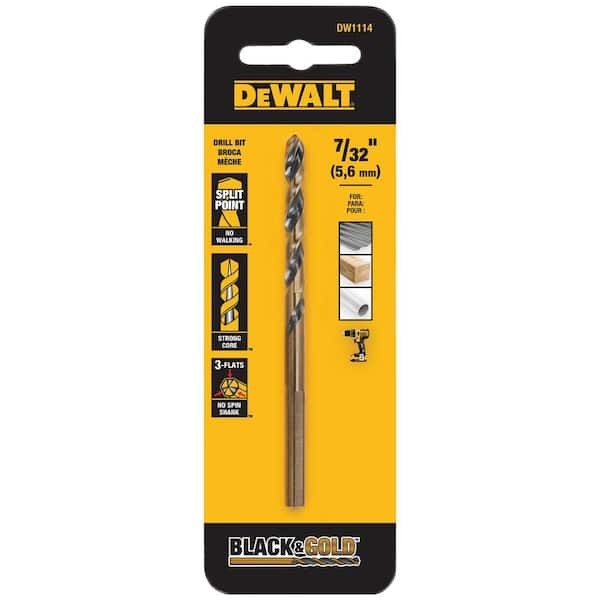
Image Source: images.thdstatic.com
Deciphering the 7/32 Drill Bit Size
The number “7/32” tells you the size of the hole the drill bit will make. It’s a measurement in inches.
- 7/32 inch drill size: This is the precise measurement of the drill bit’s cutting edge.
- 7/32 drill diameter: This refers to the diameter of the shank (the part that goes into the drill chuck) and, more importantly, the diameter of the hole it creates.
So, a 7/32 drill bit will create a hole that is 7 divided by 32 of an inch across. That’s a fairly specific size, and knowing it helps you pick the right bit for your job.
What is 7/32 Drill Bit?
Simply put, a 7/32 drill bit is a drill bit that measures exactly 7/32 of an inch in diameter. This measurement dictates the size of the hole it will bore into materials like wood, metal, or plastic. It’s a common size used for many different tasks.
The 7/32 Drill Diameter in Real Terms
Let’s break down what 7/32 of an inch looks like.
- An inch is divided into 32 parts.
- This drill bit cuts a hole that is 7 of those parts wide.
To get a better idea, think about a standard ruler. Most rulers have markings for 1/16th and 1/32nd of an inch. The 7/32 drill bit would be a bit wider than 1/4 inch (which is 8/32). It’s a size that falls in the middle range of common drill bit sizes.
Comparing the 7/32 Drill Bit to Other Sizes
It’s helpful to see how the 7/32 drill bit fits in with other common sizes. This helps you choose the right bit for your project.
7/32 Drill Bit Equivalent
Sometimes, you might not have a 7/32 drill bit handy, but you might have other bits that create a similar-sized hole. While exact equivalents are rare outside of standard sizing systems, we can look at fractional and decimal equivalents.
- Decimal Equivalent: 7 divided by 32 equals 0.21875 inches. This decimal value is often used in engineering and precise measurements.
So, if your project calls for a 0.21875-inch hole, a 7/32 drill bit is exactly what you need.
7/32 Drill Bit Conversion
Converting between different measurement systems is common in DIY and professional work.
7/32 Drill Bit Metric Equivalent
Many people work with metric measurements. Here’s how the 7/32 drill bit converts to millimeters.
- 1 inch = 25.4 millimeters
- So, 7/32 inch = (7 / 32) * 25.4 mm
Let’s calculate that:
(7 / 32) * 25.4 = 0.21875 * 25.4 = 5.55625 mm
So, the 7/32 drill bit metric equivalent is approximately 5.56 mm.
This means a 5.5 mm or a 5.6 mm drill bit would be very close in size, but the 7/32 is precisely 5.55625 mm.
7/32 Drill Bit in MM
As calculated above, the 7/32 drill bit in mm is 5.56 mm. This is a very useful conversion to know. Many metric screws, bolts, and fasteners will correspond to specific drill bit sizes.
Why Choose a 7/32 Drill Bit?
This specific size is popular for a reason. It’s great for a variety of tasks where a precise hole is needed.
What is 7/32 Drill Bit Used For?
The 7/32 drill bit is commonly used for:
- Pilot Holes: Creating a small hole before inserting a screw. This prevents the wood from splitting, especially near the edges. A 7/32 pilot hole is often suitable for medium-sized wood screws.
- Fasteners: It’s a common size for certain types of bolts, nuts, and machine screws. For example, it might be the correct size for a 3/8-inch lag screw or a 7/16-inch bolt if you’re just drilling a clearance hole.
- Hardware Installation: When installing drawer pulls, cabinet hardware, or other fixtures, a 7/32 drill bit often creates the perfect size hole for the screws that come with them.
- Metalworking: In metal fabrication, this size can be used for tapping holes for specific thread sizes or for creating clearance holes in sheet metal.
- Woodworking: For joining pieces of wood where a specific dowel or screw size is required, the 7/32 bit is a go-to choice.
Creating a 7/32 inch Diameter Hole
When you use a 7/32 drill bit, you are aiming to make a hole that is exactly 7/32 of an inch in diameter. This is important for snug fits.
- If you need a hole for a 7/32 inch bolt to pass through freely, you’ll want a 7/32 drill bit.
- If you are threading a hole for a 7/32 inch screw, you would use a smaller bit for the pilot hole, but the thread itself would effectively create a hole of that diameter.
Understanding Drill Bit Gauges and Sizes
Drill bit sizes can come from different systems, and knowing them helps.
7/32 Drill Bit Gauge
Drill bit gauges are systems that assign numbers or fractions to specific diameters. The US numbering system for drill bits goes from #1 (smallest) to #80 (largest). However, the 7/32 drill bit is a fractional size, not typically part of the numbered gauge system in the US.
The numbered gauge system is more common for smaller bits, often used in precision metalworking. Fractional inch sizes, like 7/32, are more common in general woodworking and hardware applications.
The 7/32 Drill Bit Size Chart
To visualize the 7/32 drill bit size, let’s place it within a common fractional inch drill bit size chart.
| Fractional Inch Size | Decimal Equivalent (inches) | Metric Equivalent (mm) | Common Use |
|---|---|---|---|
| 1/8 | 0.125 | 3.18 | Small pilot holes, light gauge metal |
| 3/16 | 0.1875 | 4.76 | Medium pilot holes, smaller screws |
| 7/32 | 0.21875 | 5.56 | Medium pilot holes, hardware, bolts |
| 1/4 | 0.250 | 6.35 | Larger pilot holes, standard screws, bolts |
| 5/16 | 0.3125 | 7.94 | Larger screws, bolts, clearance holes |
| 3/8 | 0.375 | 9.53 | Lag screws, bolts, larger construction |
This table shows that the 7/32 drill bit is a medium-sized bit, larger than 3/16 inch and smaller than 1/4 inch.
Types of 7/32 Drill Bits
Just like other drill bits, 7/32 bits come in different types, each suited for specific materials and tasks.
High-Speed Steel (HSS)
- Description: HSS is the most common material for drill bits. It’s durable and can drill into wood, metal, and plastic.
- Best for: General purpose drilling.
Cobalt
- Description: Cobalt drill bits are HSS bits with added cobalt. This makes them harder and more heat-resistant.
- Best for: Drilling into hard metals like stainless steel, cast iron, and other tough alloys.
Titanium Coated
- Description: These are HSS bits with a titanium nitride coating. This coating increases hardness and reduces friction, allowing faster drilling and longer bit life.
- Best for: A good all-around choice for wood, metal, and plastics.
Carbide Tipped
- Description: These bits have a carbide tip brazed onto a steel body. Carbide is extremely hard and wear-resistant.
- Best for: Drilling into very hard materials, concrete, tile, and abrasive surfaces.
When buying a 7/32 drill bit, consider the material you’ll be drilling to select the best type.
Tips for Using a 7/32 Drill Bit
Using the right technique is just as important as having the right tool.
Preparation is Key
- Mark Your Spot: Use a center punch or a nail to create a small indentation where you want to drill. This prevents the drill bit from “walking” or slipping.
- Secure Your Material: Make sure the material you are drilling is held firmly in place with clamps or a vise.
Drilling Techniques
- Start Slow: Begin drilling at a slower speed to create a clean starting hole.
- Apply Steady Pressure: Once the bit has started, apply consistent, steady pressure. Don’t force it. Let the bit do the work.
- Clear Debris: For deeper holes, periodically pull the drill bit out of the hole to clear away chips and dust. This also helps prevent overheating.
- Cooling: If drilling into metal, especially harder metals, use a cutting fluid or lubricant. This will help keep the bit cool, extend its life, and make drilling easier.
After Drilling
- Deburr: After drilling, you might have a slight burr (a rough edge) around the hole. You can remove this with a deburring tool, a file, or sandpaper.
Frequently Asked Questions (FAQ)
Q: Is a 7/32 drill bit good for wood?
A: Yes, a 7/32 drill bit is excellent for wood. It’s often used as a pilot hole for medium-sized wood screws, helping to prevent the wood from splitting.
Q: What size screw does a 7/32 drill bit correspond to?
A: A 7/32 drill bit is commonly used as a pilot hole for screws like a #10 or #12 wood screw. It’s also the correct size for clearance holes for certain bolts, like a 3/8 inch bolt in some applications, or for fasteners that require a 7/32 inch shank.
Q: Can I drill metal with a 7/32 drill bit?
A: Yes, you can drill metal with a 7/32 drill bit, especially if it’s an HSS, cobalt, or titanium-coated bit. Use proper technique, slow speeds, and lubrication for best results with harder metals.
Q: What is 7/32 drill bit equivalent in millimeters?
A: The 7/32 drill bit equivalent in millimeters is approximately 5.56 mm.
Q: How do I find the correct drill bit size for a screw?
A: For pilot holes in wood, the rule of thumb is to use a drill bit that is slightly smaller than the screw’s minor diameter (the diameter at the bottom of the threads). For clearance holes in metal or wood, use a drill bit that matches the diameter of the bolt or screw shank.
Q: What does 7/32 mean on a drill bit?
A: It means the diameter of the drill bit is 7/32 of an inch.
Q: Is 7/32 larger or smaller than 1/4?
A: 7/32 is smaller than 1/4. Since 1/4 is equal to 8/32, 7/32 is one thirty-second of an inch smaller.
Q: Where can I find a 7/32 drill bit size chart?
A: You can find 7/32 drill bit size charts online, in hardware stores, or in woodworking and DIY guides. They often include conversions and common uses for various drill bit sizes.
Q: What is the 7/32 drill bit gauge equivalent?
A: The 7/32 drill bit is a fractional size and does not have a direct equivalent in the US numbered drill bit gauge system (which ranges from #1 to #80). It is typically considered a mid-range fractional size.
By now, you should have a clear picture of what a 7/32 drill bit is and how to use it. It’s a versatile tool for many projects, from small household repairs to more involved woodworking and metalworking tasks. Always remember to choose the right bit for your material and use safe drilling practices!