
The cost to drill a well can vary greatly, but a common range for drilling a residential well is between $5,000 and $10,000. However, this is just an average, and the final price can be influenced by many factors. Let’s dive into the details of well drilling cost and what makes up the cost to drill water well.
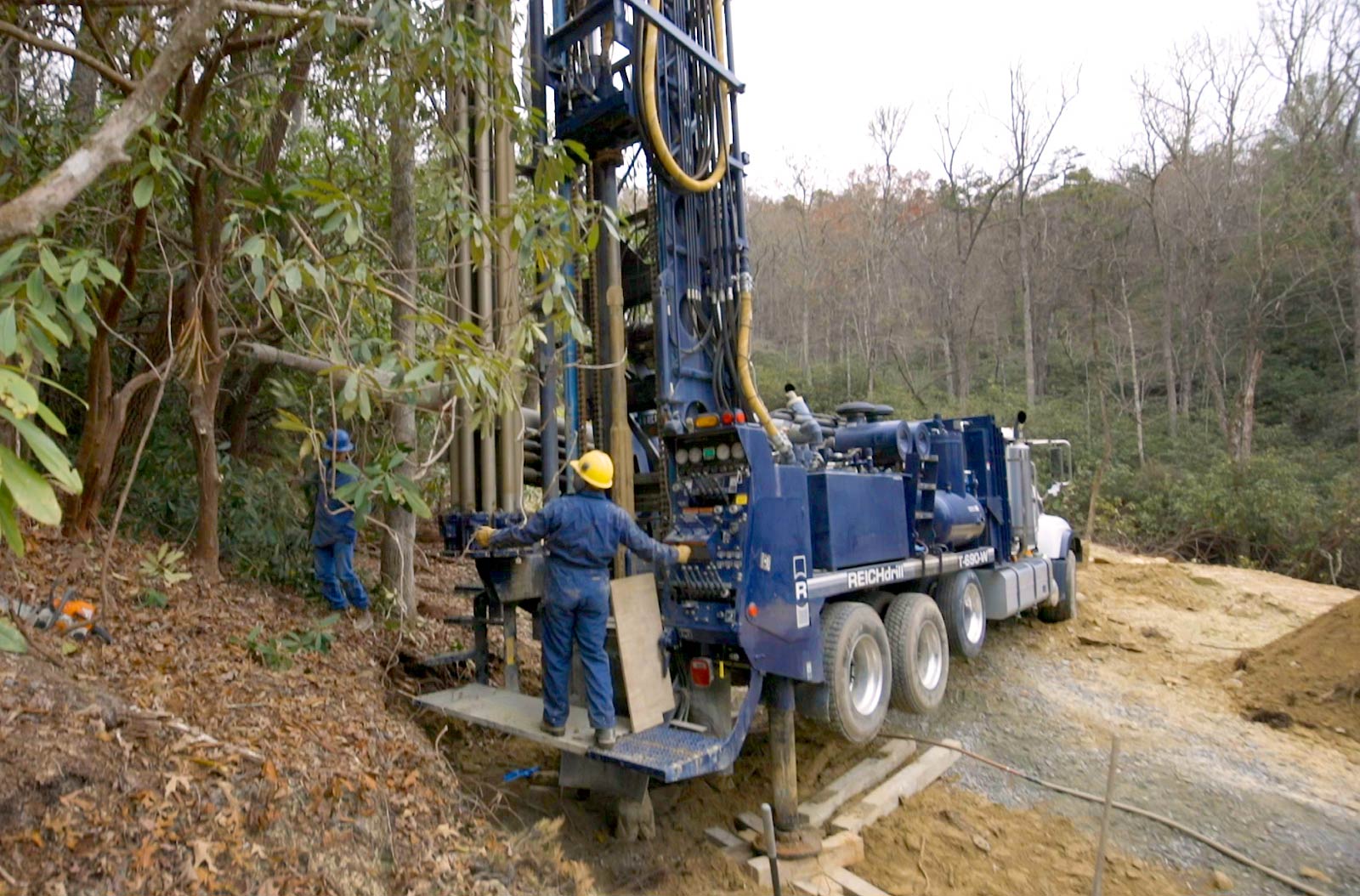
Image Source: merrillresources.com
Factors Affecting Your Well Drilling Investment
When you’re looking at the cost of a new well, it’s crucial to understand that the price isn’t a simple one-size-fits-all number. Many elements contribute to the final water well drilling expenses. Here’s a breakdown of the primary drivers:
Depth of the Well
This is arguably the biggest factor influencing well drilling cost. The deeper you need to drill to reach a reliable water source, the more time, labor, and materials will be required.
- Shallow Wells: Typically 25-100 feet deep. These are less expensive.
- Medium Depth Wells: Usually 100-300 feet deep.
- Deep Wells: Can exceed 300 feet, sometimes going down several hundred feet or more. The deeper the well, the higher the cost.
Drilling companies charge by the foot, and this rate covers the use of heavy machinery, fuel, drill bits, and the expertise of the drilling crew.
Cost Per Foot Variations
The average well drilling price per foot can range from $25 to $75 or more. This rate fluctuates based on:
- Geological Conditions: Drilling through solid rock is much slower and more challenging than drilling through softer soil or sand. Harder materials require more robust drill bits, more powerful equipment, and can lead to slower progress, increasing the per-foot cost.
- Regional Pricing: Labor rates, material costs, and demand for well drilling services vary by location. Areas with higher costs of living or greater demand will naturally have higher prices.
- Drilling Company: Different companies have different overheads and pricing structures. Getting multiple quotes is essential.
Well Casing Material and Diameter
Once the hole is drilled, it needs to be lined with casing to prevent cave-ins and protect the water quality. The material and diameter of this casing significantly impact the well installation cost.
Common Casing Materials:
- PVC Plastic: Often used for shallower wells or as an inner liner. It’s cost-effective and resistant to corrosion.
- Steel: More robust and durable, typically used for deeper wells or in areas with unstable soil conditions. Steel casing is more expensive than PVC but offers greater structural integrity.
- Stainless Steel: The most expensive option, offering superior corrosion resistance and longevity, often used in areas with aggressive water chemistry.
Casing Diameter:
The diameter of the well casing (commonly 4-6 inches for residential wells) also affects the price. A larger diameter requires more material and can sometimes increase drilling time.
Pump Type and Installation
Your well needs a pump to bring water to your home. The well pump price and installation are significant components of the overall cost to drill a water well.
Submersible Pumps:
These are the most common type for residential wells. They are placed down inside the well casing, below the water level.
- Cost: A submersible pump can range from $300 to $2,000 or more, depending on its horsepower, brand, and features.
- Installation: Submersible pump installation cost typically ranges from $500 to $2,000, including the pump, wiring, pitless adapter (if needed), pressure tank, and labor. The installer needs to safely lower the pump into the well and connect it to the home’s plumbing system.
Jet Pumps:
These are usually installed above ground or in a well house. They are generally less expensive than submersible pumps but are typically only suitable for shallower wells (under 25 feet).
Pressure Tank and Pressure Switch
To ensure consistent water pressure, a pressure tank and pressure switch are installed.
- Pressure Tank: These can cost anywhere from $100 to $500. They store water and air, acting as a buffer to prevent the pump from cycling on and off too frequently.
- Pressure Switch: This device tells the pump when to turn on and off based on the water pressure in the system. They are relatively inexpensive, usually $20-$50.
Well Head Assembly and Seal
The well head is the part of the well that is visible above ground. It includes the cap, seal, and any necessary fittings. This component is crucial for protecting the well from contamination.
- Cost: Expect to spend $100-$300 for the wellhead assembly and seal.
Water Quality Testing and Treatment
Once water is brought to the surface, it’s essential to test it for contaminants.
- Testing: Water quality tests can cost $50-$300, depending on the extent of the analysis.
- Treatment: If the water contains contaminants like iron, sulfur, bacteria, or sediment, you may need a water treatment system (e.g., filters, softeners, UV sterilizers). These can add $300 to $3,000+ to your well installation cost, depending on the complexity of the required treatment.
Site Accessibility and Geology
The ease with which drilling equipment can reach your property and the type of soil and rock encountered during drilling will influence the drilling a residential well cost.
- Accessibility: If your property is difficult to access, requiring extensive clearing or the use of specialized equipment for transport, expect higher costs.
- Geology: As mentioned earlier, drilling through hard rock layers, boulders, or unstable formations takes more time, uses more specialized drill bits, and can be more expensive per foot than drilling through softer materials. Some formations might require specific techniques or materials to stabilize the wellbore, adding to the overall expense.
Permits and Inspections
Most local or state governments require permits for drilling a new well. These permits have associated fees and may require inspections at various stages of the drilling process.
- Permit Fees: These can range from $50 to $500 or more, depending on your locality.
- Inspection Fees: Some areas may charge separate fees for inspections.
Other Potential Costs
- Well Development: This is a process to clean out the well and improve water flow after drilling. It can involve surging, jetting, or acidizing and is often included in the drilling price but can sometimes be an extra charge.
- Pitless Adapter: If you need the water line to go underground from the well to your house without the risk of freezing, a pitless adapter is used. This adds $300-$600 to the cost.
- Trenching: If the wellhead is some distance from your house, you’ll need trenches dug for water lines and electrical conduits, which can add hundreds or even thousands of dollars depending on the distance and terrain.
- Ancillary Services: You might need a geologist to assess the site for water availability or a surveyor to mark property lines.
Breakdown of Typical Water Well Expenses
To give you a clearer picture, here’s a general breakdown of what you might expect to pay for the various components of a residential well project. Remember, these are average well drilling prices and can vary significantly.
| Component | Estimated Cost Range | Notes |
|---|---|---|
| Drilling & Casing | $3,000 – $7,000 | This is highly dependent on depth and geological conditions. Includes drilling by the foot and well casing. |
| Well Pump System | $800 – $3,500 | Includes submersible pump, pressure tank, pressure switch, and wiring. |
| Pump Installation | $500 – $2,000 | Labor and materials for installing the pump, pitless adapter, and connecting to home plumbing. |
| Wellhead Assembly & Seal | $100 – $300 | Protects the top of the well from contamination. |
| Water Quality Testing | $50 – $300 | Essential to ensure water is safe to drink. |
| Water Treatment System | $300 – $3,000+ | If water quality tests reveal issues requiring treatment (optional but often necessary). |
| Permits & Inspections | $50 – $500 | Local government fees. |
| Trenching & Connections | $500 – $2,000+ | For water line and electrical conduit if the well is distant from the house. |
| Miscellaneous (e.g., gravel pack) | $100 – $500 | Various small but necessary materials. |
| Total Estimated Cost | $5,400 – $18,600+ | This is a broad range and can go higher for very deep wells or challenging conditions. |
Comparing Drilling Costs: Shallow vs. Deep Wells
Let’s consider how depth impacts the cost to drill a water well.
Shallow Well (e.g., 50 feet deep):
- Drilling: $25/foot * 50 feet = $1,250
- Casing: $10/foot * 50 feet = $500
- Pump System: $1,000
- Installation: $700
- Other Costs (Permits, Head, Testing): $400
- Total Estimate: Approximately $3,850
Deep Well (e.g., 300 feet deep):
- Drilling: $50/foot * 300 feet = $15,000
- Casing: $20/foot * 300 feet = $6,000
- Pump System: $1,500
- Installation: $1,500
- Other Costs (Permits, Head, Testing, Treatment): $1,500
- Total Estimate: Approximately $25,500
This illustrates how significantly depth can influence the average well drilling price.
The Well Drilling Process: What You’re Paying For
Beyond the materials, you’re investing in a skilled service. Here’s what goes into the labor and expertise that contributes to the water well drilling expenses:
- Site Assessment: Geologists or experienced drillers assess the property to determine the best location for the well, considering water availability and proximity to the house.
- Permitting: The drilling company will typically handle the necessary permit applications.
- Drilling: This is the core of the process. Large drilling rigs are used to bore a hole into the ground. The type of rig and drill bit used depends on the geological conditions. This phase requires skilled operators who understand how to navigate different earth layers efficiently and safely.
- Casing Installation: Once the hole is drilled to the required depth, the casing is installed to support the walls of the well.
- Grouting: A cement or bentonite grout seal is often placed around the outside of the casing to prevent surface water from entering the well and contaminating the water supply.
- Well Development: The well is “developed” to remove drilling fluids and debris and to improve the flow of water from the aquifer into the well.
- Pump Installation: The submersible pump, drop pipe, and wiring are lowered into the well. A pitless adapter is installed to allow the water line to exit the well casing below the frost line.
- Pressure Tank and Control System Installation: These are typically installed in the home or a utility area.
- Testing and Disinfection: The well is flushed and disinfected to kill any bacteria that may have been introduced during the drilling process. A water quality test is then performed.
Each of these steps requires specialized knowledge, equipment, and labor, all of which are reflected in the drilling a residential well cost.
Long-Term Costs: Well Maintenance
It’s important to remember that the cost of a new well isn’t a one-time expense. Like any mechanical system, wells require ongoing well maintenance cost.
Regular Inspections and Testing
- Annual Check-ups: Have a professional inspect your pump, pressure tank, and electrical connections annually. This can prevent costly breakdowns.
- Water Quality Testing: Test your water annually for bacteria and nitrates, and every 3-5 years for other common contaminants.
Potential Repairs and Replacements
- Pump Failure: Submersible pumps have a lifespan of 10-20 years. If your pump fails, you’ll face the cost of diagnosis, removal, and replacement (which can be significant due to the labor involved in pulling the pump from a deep well).
- Pressure Tank Issues: Pressure tanks can also fail and need replacement.
- Clogged Well Screen: Over time, the well screen can become clogged with sediment, reducing water flow and potentially damaging the pump.
- Well Rehabilitation: In some cases, a well may need rehabilitation (cleaning or surging) to restore water flow, which incurs additional costs.
The well maintenance cost can add a few hundred dollars per year to your budget, plus potential larger expenses for component replacements.
Getting the Best Value for Your Investment
When you’re ready to drill a well, here are some tips to ensure you get the best value and avoid unexpected expenses:
1. Get Multiple Quotes
- Contact at least three reputable, licensed, and insured well drilling companies in your area.
- Ensure each quote is detailed, outlining all costs, materials, depth, casing size, and pump specifications.
- Ask for references from past clients.
2. Ask About Experience and Reputation
- Choose a company with a proven track record in your local area. They will be familiar with the geological conditions and typical depths required.
- Check online reviews and ask your neighbors about their experiences.
3. Discuss Site Preparation
- Understand what preparation your property might need (e.g., clearing brush, ensuring access for heavy equipment).
- Clarify who is responsible for this preparation and if there are associated costs.
4. Understand Warranties
- Inquire about warranties on both the drilling work and the pump system. A good warranty can save you money on future repairs.
5. Consider Future Needs
- If you anticipate future expansion, such as adding bathrooms or an irrigation system, you might consider drilling a slightly larger diameter well or installing a pump with a higher capacity to avoid needing a second well later.
6. Research Local Regulations
- Familiarize yourself with local building codes and well regulations. This ensures you’re compliant and can help you ask the right questions of your drilling contractor.
Frequently Asked Questions (FAQ)
Q: How long does it take to drill a well?
A: The drilling itself can take anywhere from one to several days, depending on the depth, the geological conditions, and the efficiency of the drilling crew and equipment. Once drilling is complete, pump installation and testing will add a few more days to the overall project timeline.
Q: Can I drill my own well?
A: In some areas, it may be legally permissible for homeowners to drill their own wells, but it is generally not recommended unless you have significant experience and the proper equipment. The process is complex, requires specialized knowledge of geology and drilling techniques, and there are strict regulations regarding well construction to protect groundwater quality. Improperly drilled wells can lead to contamination, low water yield, or structural failure.
Q: What is the average depth of a residential well?
A: The average depth can vary greatly by region. In some areas with shallow aquifers, wells might be 50-100 feet deep. In other regions, especially where groundwater tables are deeper or geological formations are complex, residential wells can be 200-400 feet or even deeper. Your drilling contractor can provide estimates based on local conditions.
Q: Does a higher well drilling cost guarantee better quality?
A: Not necessarily. While you should be wary of extremely low bids, a higher price doesn’t automatically mean better quality. It’s more important to choose a reputable, experienced, and well-equipped driller. Compare quotes carefully and focus on the details of what is included.
Q: What if my well doesn’t produce enough water?
A: If your well has a low yield, it could be due to several factors: the aquifer itself might be limited, the well screen could be clogged, or the pump might not be properly sized. A qualified well professional can diagnose the issue. Sometimes, well development techniques can improve yield, or a different pump might be needed. In some cases, you may need to drill a deeper well or consider a secondary source.
Q: How often should I have my well water tested?
A: It’s recommended to test your well water annually for bacteria and nitrates to ensure it’s safe to drink. For other potential contaminants like heavy metals, pesticides, or volatile organic compounds, testing every 3-5 years is generally sufficient unless you notice changes in taste, odor, or appearance of your water.
By thoroughly researching and preparing, you can navigate the complexities of well drilling cost and ensure a reliable water source for your home for years to come.